


Developing A Love Of Science In Our Children
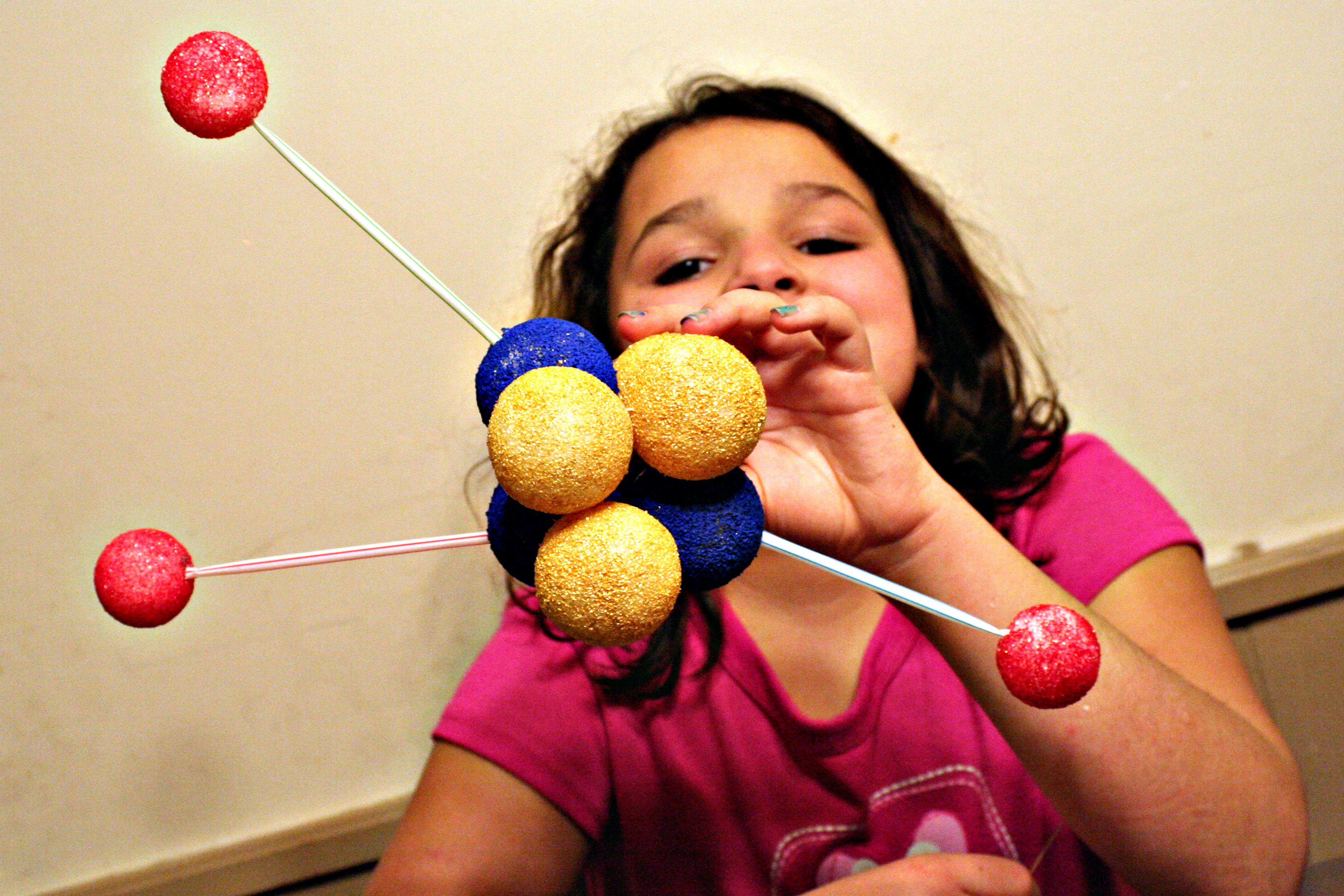
Do you ever find yourself intimidated by certain subjects? I know many moms dread teaching science, perhaps because of their own lack of knowledge or bad experiences. Some attempt to avoid the subject entirely; others overreact and try to cram years’ worth of information into a single year. Ever been there? It’s easy to feel either insecure or overly zealous.
I encourage you to relax and enjoy the pursuit of scientific knowledge with your kids.
Cathy Duffy, author of Christian Home Educator’s Curriculum Manual, Elementary Grades writes: “Field Trips, experiments, observation, and nature collections will all stimulate interest [in science] in children. They should be a major part of our science curriculum. . . The best way to meet these goals is NOT by using science textbooks. We can turn our children on to science by teaching them to observe, experiment, read, and think about the things that surround us.”
Here are ten strategies for developing a love of science:
- Read aloud: use a variety of science books and magazines.
- Collect things: this is natural for most kids! Encourage them to classify their collections.
- Grow things: cultivate their use of observation and recording of findings.
- Visit places: from zoos to doctors’ offices and vacant lots—science lurks all around!
- Set up ecosystems: backyard habitats, bug cages, aquariums, terrariums.
- Make: recipes and concoctions together. Experiment.
- Observe nature: insects, birds, weather, seasons, etc
- Use construction/engineering toys: blocks, Fisher-Technics, Legos, etc.
- Model “look-it-up” and “lifelong learner” behavior: attitude is (almost) everything. Your enthusiasm is contagious!
- Use reference and resource materials regularly. Keep lab notebooks of various sorts.
If we are to raise lifelong learners and problem-solvers, we need to teach our children HOW to learn, we need to cultivate the DESIRE to learn, and we need to provide a framework for WHAT to learn. Remember, too, facts are much easier to learn when you’re having fun!
 Maggie Hogan is a veteran homeschool mom and the founder of Bright Ideas Press. Bright Ideas Press publishes Christian-oriented curriculum that is both affordable and easy-to-use with children of different ages at the same time. Follow Maggie on Twitter. Bright Ideas Press can also be found on Twitter and Facebook.

I hold a master’s degree in child development and early education and am working on a post-baccalaureate in biology. I spent 15 years working for a biotechnology company developing IT systems in DNA testing laboratories across the US. I taught K4 in a private school, homeschooled my children, and have taught on the mission field in southern Asia. For 4 years, I served on our state’s FIRST Lego League tournament Board and served as the Judging Director. I own thehomeschoolscientist and also write a regular science column for Homeschooling Today Magazine. You’ll also find my writings on the CTCMath blog. Through this site, I have authored over 50 math and science resources.