


Turkey Feather Science


If you’ve ever spotted a single turkey feather on the ground and wondered what secrets it holds, you’re in the right place. Turkey feather science is way more fascinating than most people expect, these feathers aren’t just pretty; they’re tiny engineering masterpieces built for warmth, flight, camouflage, communication, and survival. In this post, we’re breaking down the amazing structure and purpose behind every feather type, so your learners can see turkeys not just as backyard birds, but as full-on STEM inspiration.

10 Turkey Feather Science Facts
We cover most of these turkey feather science facts in the free printable linked below:
- Turkeys have about 5,000-6,000 feathers covering their bodies.
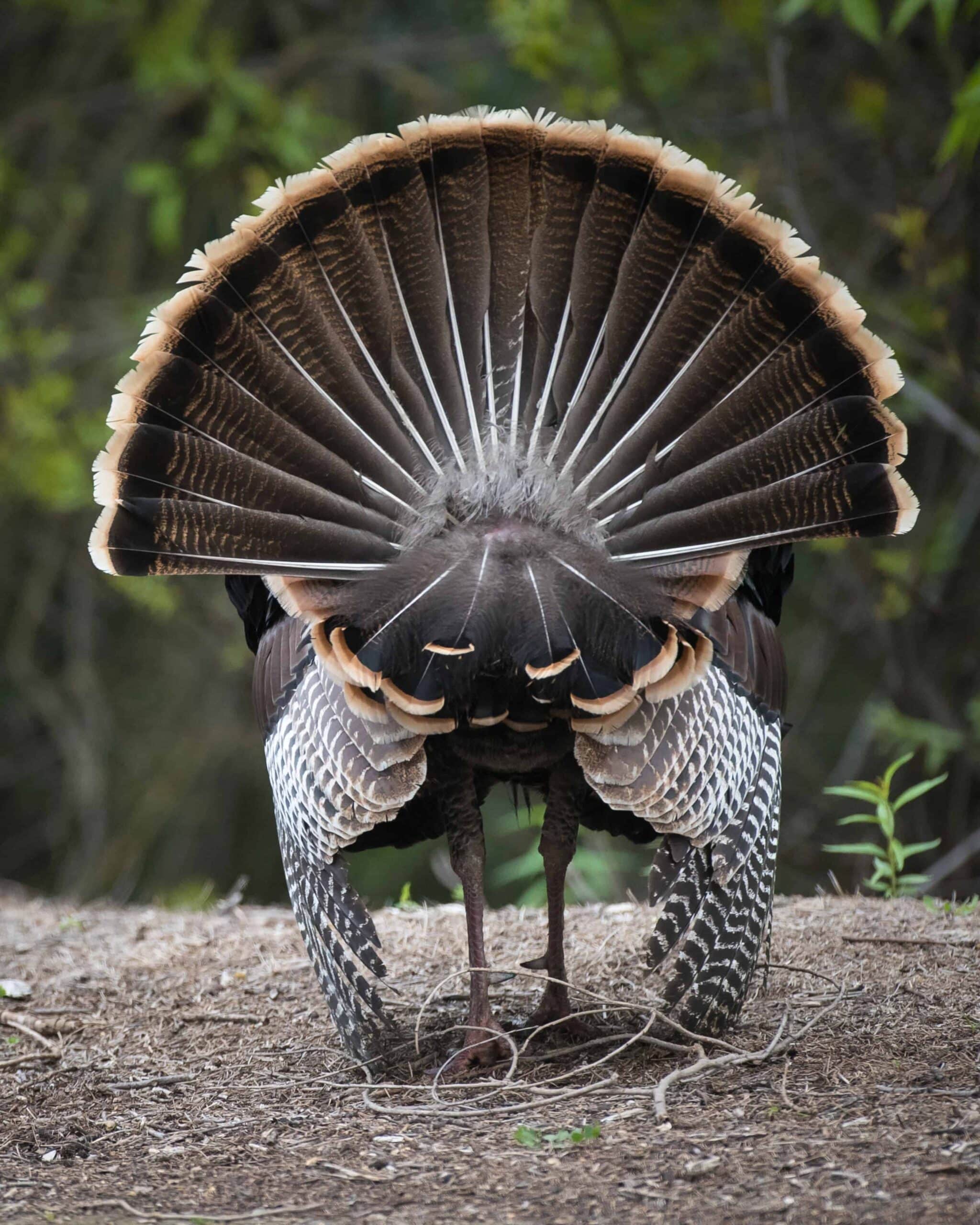
- Tail feathers, also called retrices, form the classic turkey fan, and most wild turkeys have 18 of these feathers arranged in a perfect half circle.
- Male turkeys have iridescent feathers that shippm in bronze, coppers, and green. We explain this in our free printable.
- All feathers are bade of β-keratin. This is the same substance our nails and hair are made of. However, in turkeys, it’s tougher and lighter.
- Down feathers trap warm air, keeping turkeys insulated when the temeperatures drop.
- Barbules and hooklets act like Velcrom helping feathers stay smooth, strong, and waterproof.
- Turkeys spread oil from their preen glands to make feathers more flexible and water-resistant.
- Turkeys molt once a year, replacing old feathers with new ones.
- Baby turkyes hide under their mother’s feathers to stay warm, protected, and camouflaged from predators.
- Bristle feathers near the beak and eyes act like whiskers, helping turkeys sense what’s close to their fas as they explore.
Turkey Feather Science
At a distance, a turkey feather looks like a simple flat shape, but if you take one in your hand, you can feel that it is more complex. Every feather has a hollow base, called the quill or calamus, which fits into the turkey’s skin.
From the quill, a central shaft called the rachis runs up the center of the feather.
On either side of the rachis are the flat parts of the feather, called the vanes. The vanes are made up of many thin branches called barbs.

By the way, this information is also in our free lesson printable. You can request this freebie at the bottom of this post.
If you look very closely, each barb has even smaller branches called barbules. The barbules have tiny hooks, sometimes called hooklets or hamuli, that latch onto the barbules of neighboring barbs. This hooked system works almost like Velcro, helping the feather stay smooth, connected, and strong. If a feather becomes separated or messy, the turkey can run its beak along the feather in a behavior called preening, which helps “zip” the barbs and barbules back together. The downy part of contour feathers has loose barbules without hooklets. This will be important to know when we start looking at some photos taken under a microscope.
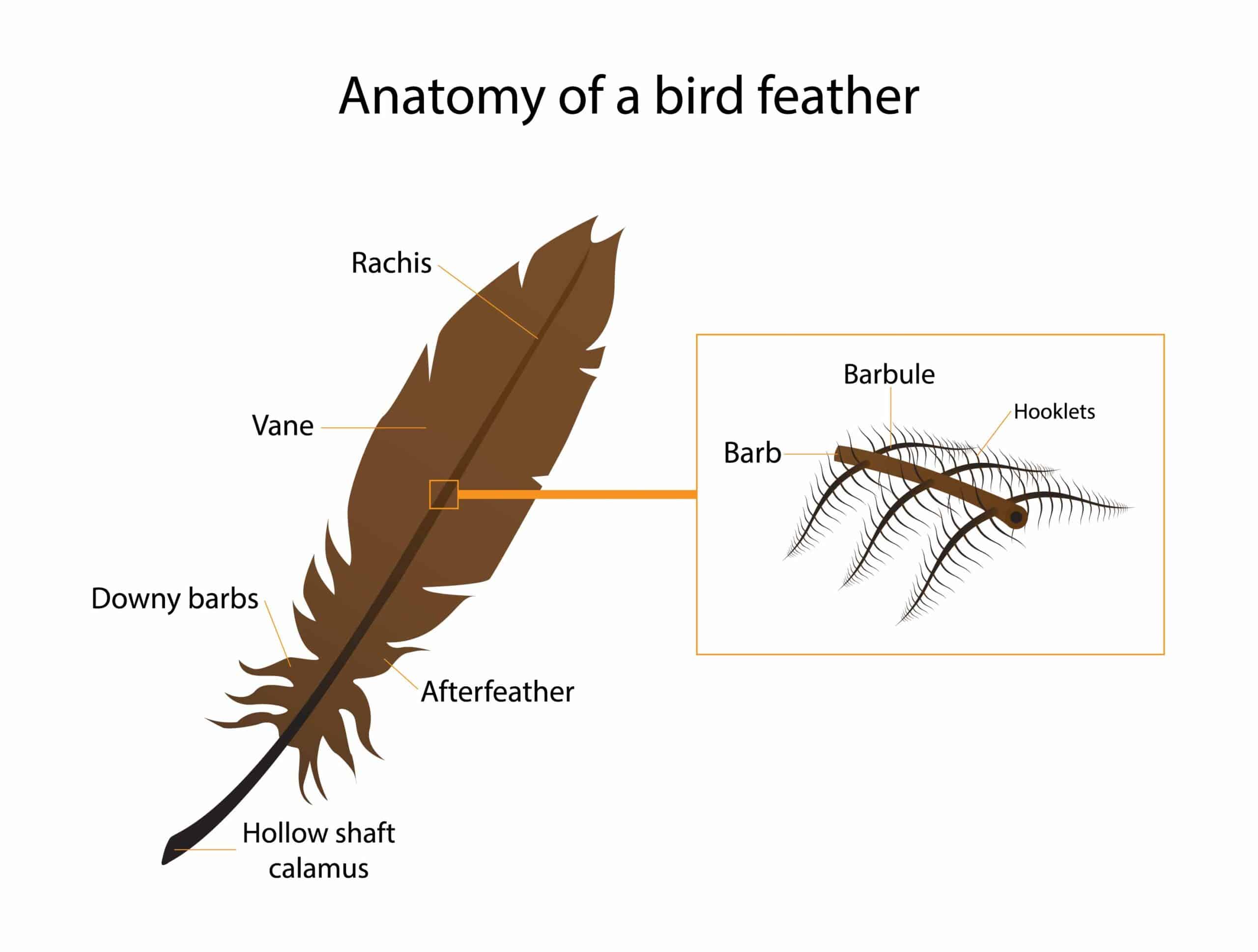
The shaft of a feather, both the quill (calamus) at the base and the rachis that runs up the center, is made of β-keratin, a strong, lightweight protein.
Keratin is the same material found in your hair and fingernails, but in birds it is tougher and stronger. This special type of keratin makes the feather’s shaft stiff enough to support the vane, flexible enough to bend without breaking, and light enough for flight.
Copyright thehomeschoolscientist.com
Turkeys have around 5,000 to 6,000 feathers covering their bodies. The feathers keep them warm and protect them from bad weather. It’s like their winter coat!
Tail feathers, also called retrices, help with steering, balance, and communication
Male turkeys have iridescent feathers. These shiny colors come from tiny structures on the feathers.
These structures are made of keratin (the same protein our nails are made of) and air pockets that are arranged in a stack of thin layers.
When the sunlight hits these layers, the light bends, slows down, and reflects in different directions. The colors appear as green, copper, and bronze. But, these colors can change depending on the angle of the light and the position you are viewing the feathers from.

Here is an image of a turkey tail feather under the microscope. Can you see the barbules and hooks? If you download our free printable lesson (see below), you can enjoy our virtual microscope investigation with other images too.


Copyright: Michelle Moody
The image to the left is a of the downy section of a turkey contour feather. Can you see the barbs?

copyright Michelle Moody

copyright Michelle Moody
Visit The Homeschool Scientist’s Turkey Unit Study Resource page for even more turkey study ideas!
Turkey Feather Science: How Feathers Help Turkeys
When you see a turkey walking through the woods or across a field, its feathers might be the first thing you notice. But turkey feathers do much more than make the bird look beautiful.
One of the most important jobs feathers have is keeping the turkey warm. Soft down feathers trap warm air close to the skin, creating a layer of insulation that protects the bird during cold mornings or winter weather.
Feathers also help keep turkeys dry. When a turkey spreads oil from its preen gland onto its feathers, the feathers become more waterproof, allowing rain to roll off instead of soaking in.
Feathers are also important for flight. Even though wild turkeys cannot fly long distances, they can make fast, powerful short flights. Strong wing feathers help lift the bird into the air, while the large tail feathers, called retrices, help the turkey steer, balance, and brake as it comes in for a landing.
Another important job of feathers is protection. Feathers help shield the turkey’s skin from the sun, wind, scratches, and insects as it moves through brush and tall plants. The patterns and colors of a turkey’s feathers also provide camouflage. Female turkeys, or hens, have brown, mottled feathers that help them blend into leaves and shadows, making it harder for predators to find them while they are nesting.
Feathers also help turkeys communicate. Male turkeys, called toms, use their feathers to send signals during the spring breeding season. When a tom spreads his tail like a fan and puffs out his shiny feathers, he is trying to attract hens and show strength to other males.

Some feathers help the turkey gather sensory information, almost like whiskers. Tiny filoplume feathers and bristle feathers around the face help the turkey sense movement and objects nearby while it searches for food.
Feathers play a major role when it comes to caring for young turkeys. When poults (baby turkeys) are small, they often hide under the hen’s feathers. Her feathers form a warm, sheltered space that keeps the young safe from cold, wind, and predators.
Download the Turkey Feather Science Printable Lesson
We have created a turkey feather science lesson which also covers the turkey life cycle, turkey anatomy, sound science, and more. The activities include a virtual microscope lab and putting together a chicken clucker to demonstrate turkey calls and how sound travels.
We have included a brief PowerPoint presentation so you can project key images if working with a group of students.
Request the free resource below.
Other Turkey Resources
Check out our list of turkey unit study resources
Turkey facts video on YouTube on the Homeschool Pop page.
Here’s an anatomy PDF you can print and use as a mini-poster from the National Wild Turkey Federation.

I hold a master’s degree in child development and early education and am working on a post-baccalaureate in biology. I spent 15 years working for a biotechnology company developing IT systems in DNA testing laboratories across the US. I taught K4 in a private school, homeschooled my children, and have taught on the mission field in southern Asia. For 4 years, I served on our state’s FIRST Lego League tournament Board and served as the Judging Director. I own thehomeschoolscientist and also write a regular science column for Homeschooling Today Magazine. You’ll also find my writings on the CTCMath blog. Through this site, I have authored over 50 math and science resources.