


Benefits Of Insects and FREE Insect Worksheet
When we think of insects, most of us think of pests. We think of them as a nuisance that need to be squished, sprayed, exterminated or ran from. They carry the big “ewwww” factor.
Some insects are beneficial, others are harmful. Let’s take a look at the benefits of insect. Below we look at the benefits of insects.
Download our free Insect Research Form and have your children research some of the insects they see in your area. Pair the activity with a nature walk. Take photos of the insects found. Then, research and record information about those insects on our Insect Research Form (download it below.)
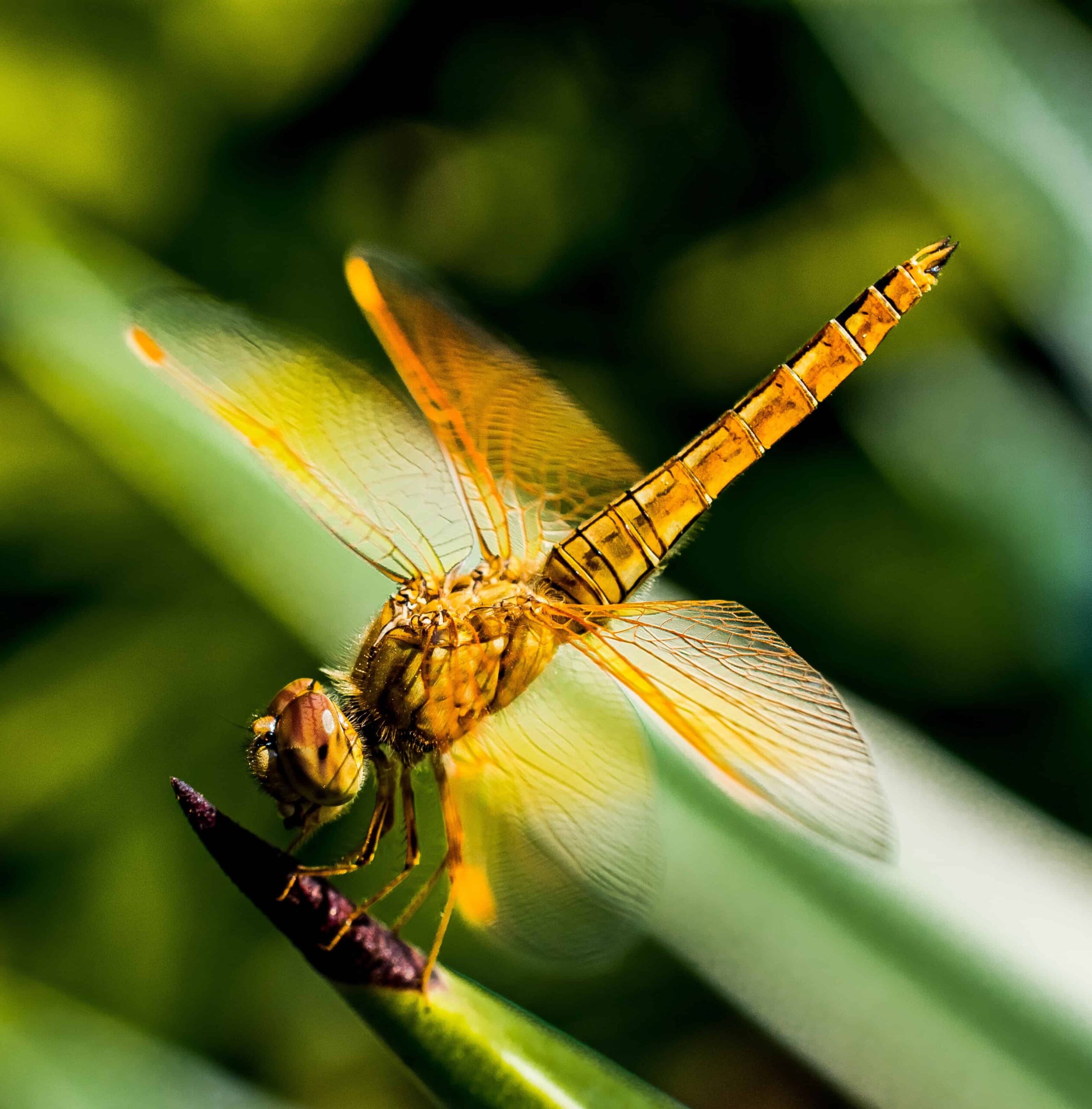
Let’s take a look at the benefits of insects.
What are the benefits of insects?

Pollination
Honey bees, moths and butterflies pollinate plants. Without theses pollinating insects, plants wouldn’t reproduce. Without plants, we couldn’t survive.

Decomposition
Insects help with decomposition. For example, when trees die, insects move in, tunnel and colonize the wood. Some eat the wood and some eat the wood eaters. This helps break down the trees much faster than microbial decomposition alone.

Honey and Beeswax
Honey bees make honey and beeswax. Honey has been a sweetener source for centuries and beeswax is still used for candles, cosmetics and more.
Learn more about honey bees with this honey bee anatomy lesson with free printable and these honey bee unit study resources.

Silk
Without silkworms, we would not have silk. Silkworms make silk fiber that is spun into cocoons. These cocoons are collected and unraveled to obtain the silk fibers.
Food
Insects are food for animals and humans. Raccoons, birds, some snakes and lizards, frogs, fish are some animals that rely on insects for their food source. In many parts of the world, humans eat insects, as well. They are know to be nutritious, plentiful and quite tasty. (I’ll take their word on it. yuck)
Pest Control
Some insects are helpful to humans in that they actually help control the nuisanse insect population. For instance, ladybird beetles feed on aphids that destroy flowers and crops. Farmers and gardeners have been known to release ladybird beetles onto their crops as a means of controlling harmful insect populations without the use of chemicals.
Have you ever thought of insects as anything but pests? All creatures serve a purpose in the ecosystem. Who will do their job if one of them is removed? All creatures are important. Except for gnats. I can’t find a reason for gnats. Just sayin.
Insect Identification Worksheet
Ready to head outside and find out more about our 6-legged friends? Grab a bug collection jar, a magnifying glass, and an insect guide. Use this FREE insect worksheet download to record data about the insects you find. Use an insect guide book or an online insect guide like them one at InsectIdentification.org to fill out the worksheet and learn more about the insects around you.
Click here or the image below to open the free Insect Research Form

More Insect Study Resources
Insect Classification Lesson And Printable
How To Create An Insect Collection

