


Fall STEM Launchers


This Fall STEM launcher is a fun stand-alone STEM activity, but it’s also a great one to keep ready for those times when you need a quick activity with very little setup.
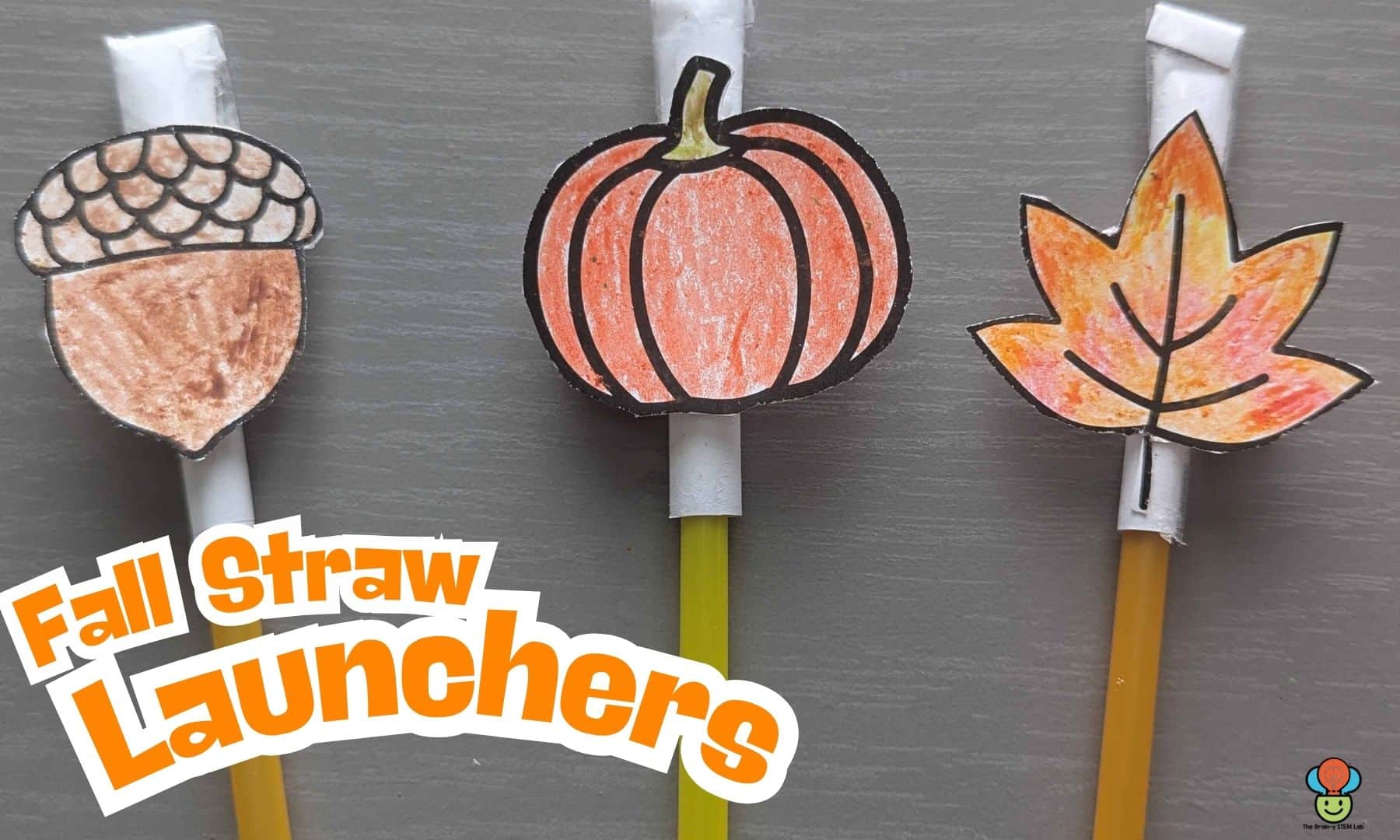
I’ve used straw launchers like this, but with a solar system theme (We’ll have those available soon), in the STEM camps I teach as an activity for early finishers. It’s easy to just pull out the printable cut-outs, straws, tape, and scissors and have another hands-on STEM challenge ready to go.
You can definitely use this activity as a stand-alone activity. You might want to request our straw rockets printable and use some of those lesson pages alongside this activity.
Once the basic launcher is made and tested, try changing different variables to see how they affect how far the “rocket” travels and the travel pattern. Did it go straight down, or did it curve a little or a lot?
Have your children make a prediction, and then compare their results.
Some things to try:
- Using heavier or lighter paper for the cut-outs. How does changing the mass of the projectile affect its flight?
- Varying the length of the straw. Does a longer or shorter straw make a difference?
- Adding mass to the cut-out. Attach a paper clip or tape a coin to the cut-out and compare it with the original.
- Varying the launch angle. How does changing the angle affect the distance the projectile travels?
When testing the first three variables, try to keep the launch angle as consistent as possible. It can be difficult to reproduce the exact same angle and launch force each time, so have your kids repeat each test several times and look for patterns in their results.
How to Assemble the Fall STEM Launcher
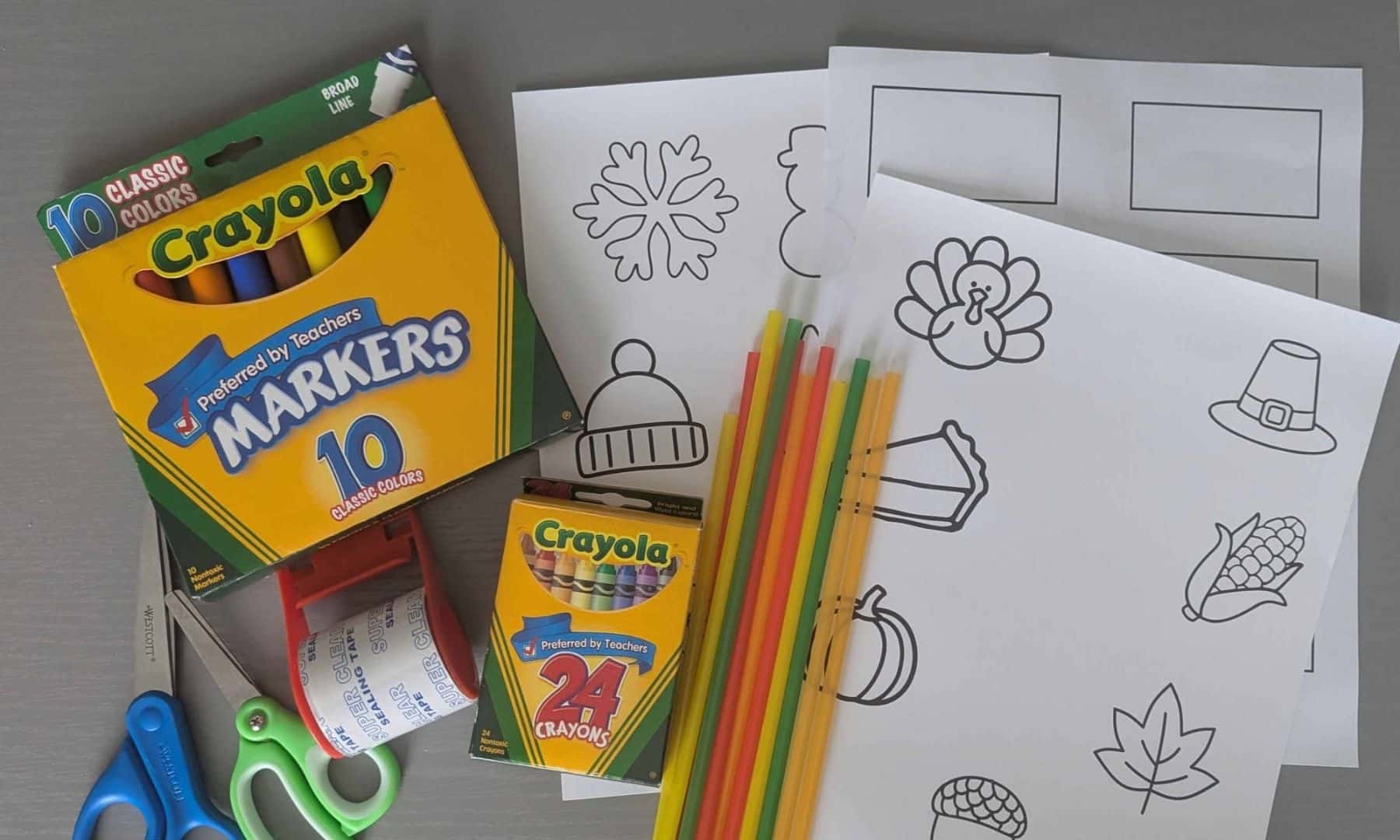
Materials:
- Cut-outs (request below) printed on paper or cardstock
- Straws. I buy these from Amazon.
- Tape
- Glue
- Scissors
- Crayons, makers, or colored pencils
Directions for Fall STEM Launchers
Print the fall launcher pages and gather the project materials. The rectangles will form the paper tubes for your launchers.
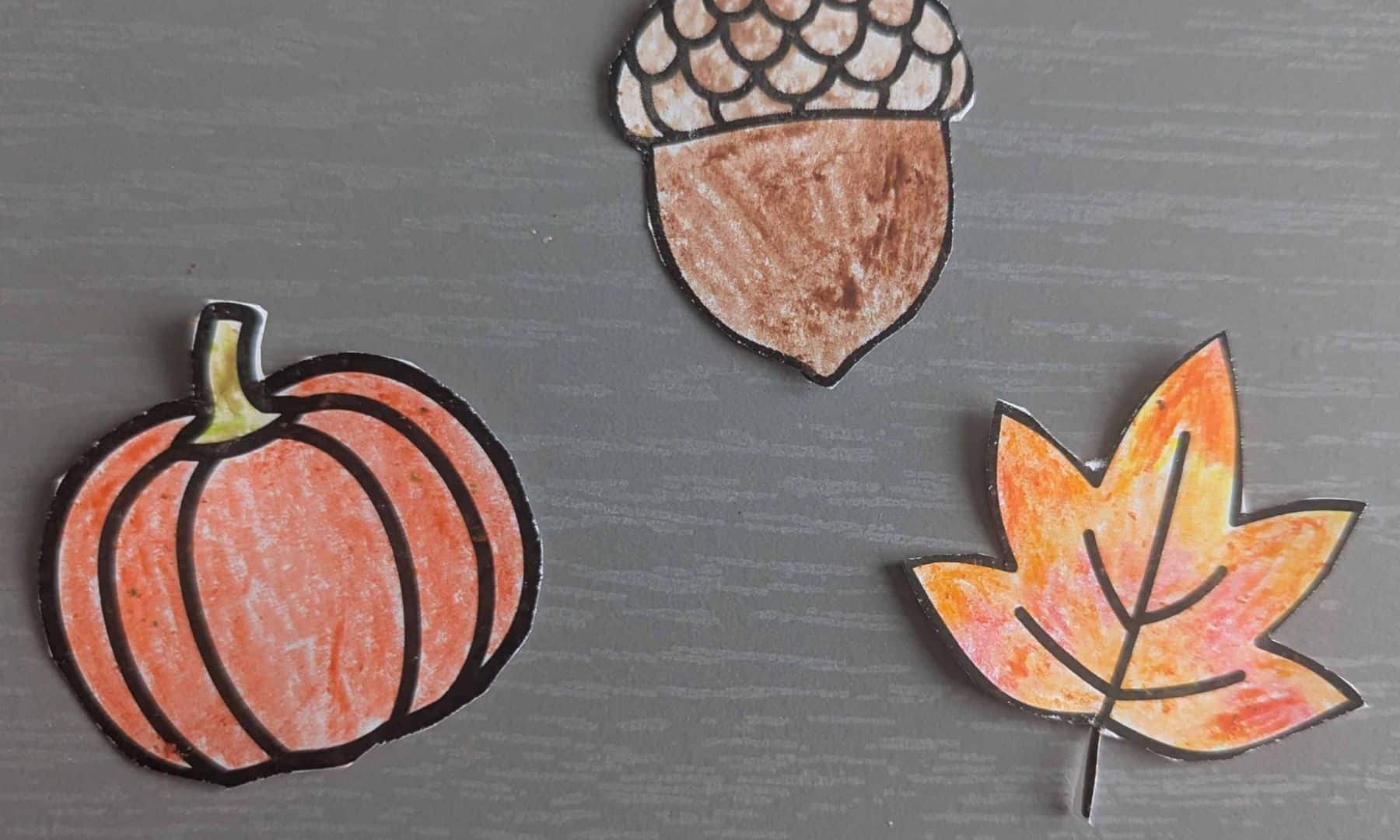
Color the fall-themed cut-outs. Then, cut out each design along the black outline.
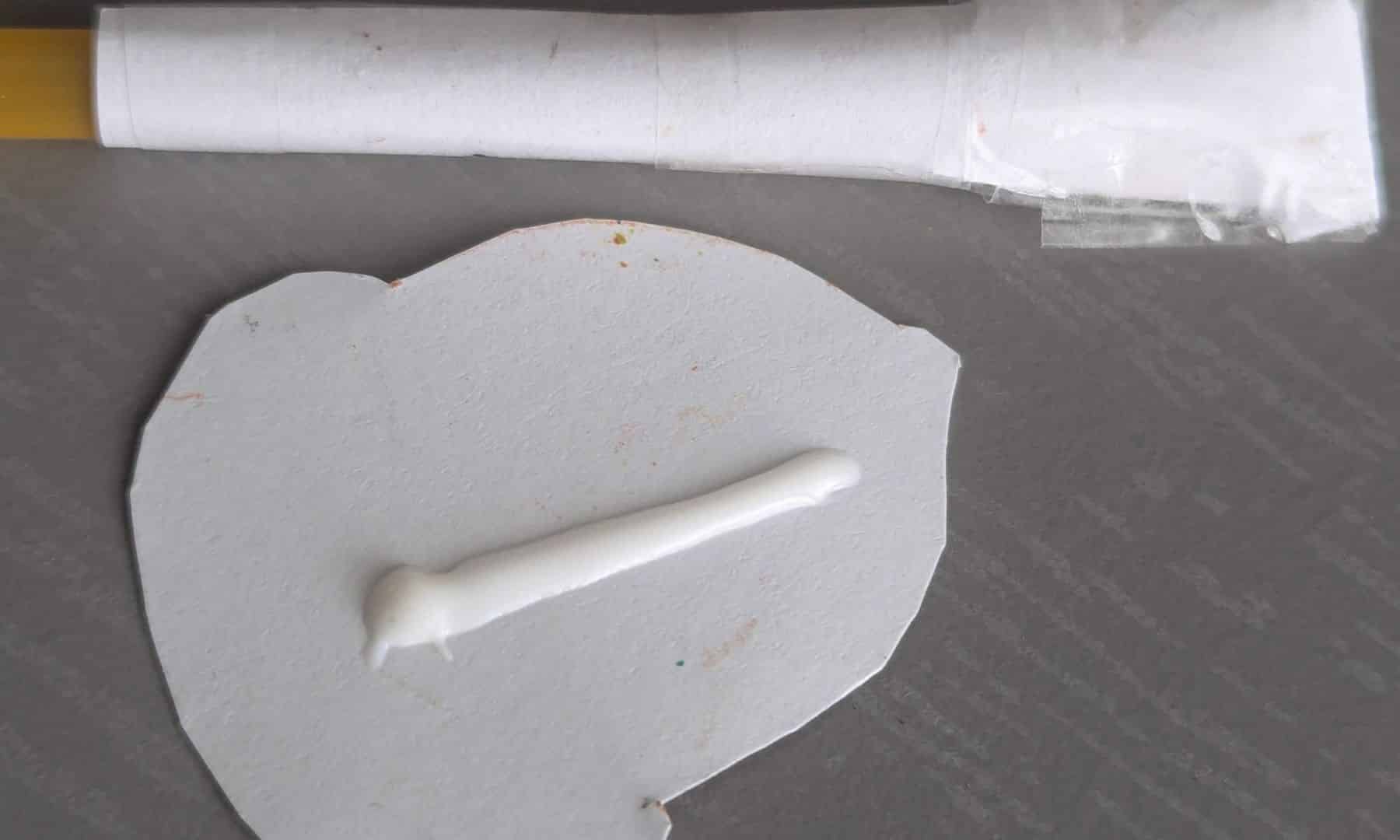
Make the launcher tube. Wrap one of the rectangles around a straw and tape the paper to itself. Do not tape the paper to the straw. The paper tube should fit loosely enough to slide off the straw easily, but not so loosely that there is a large gap.
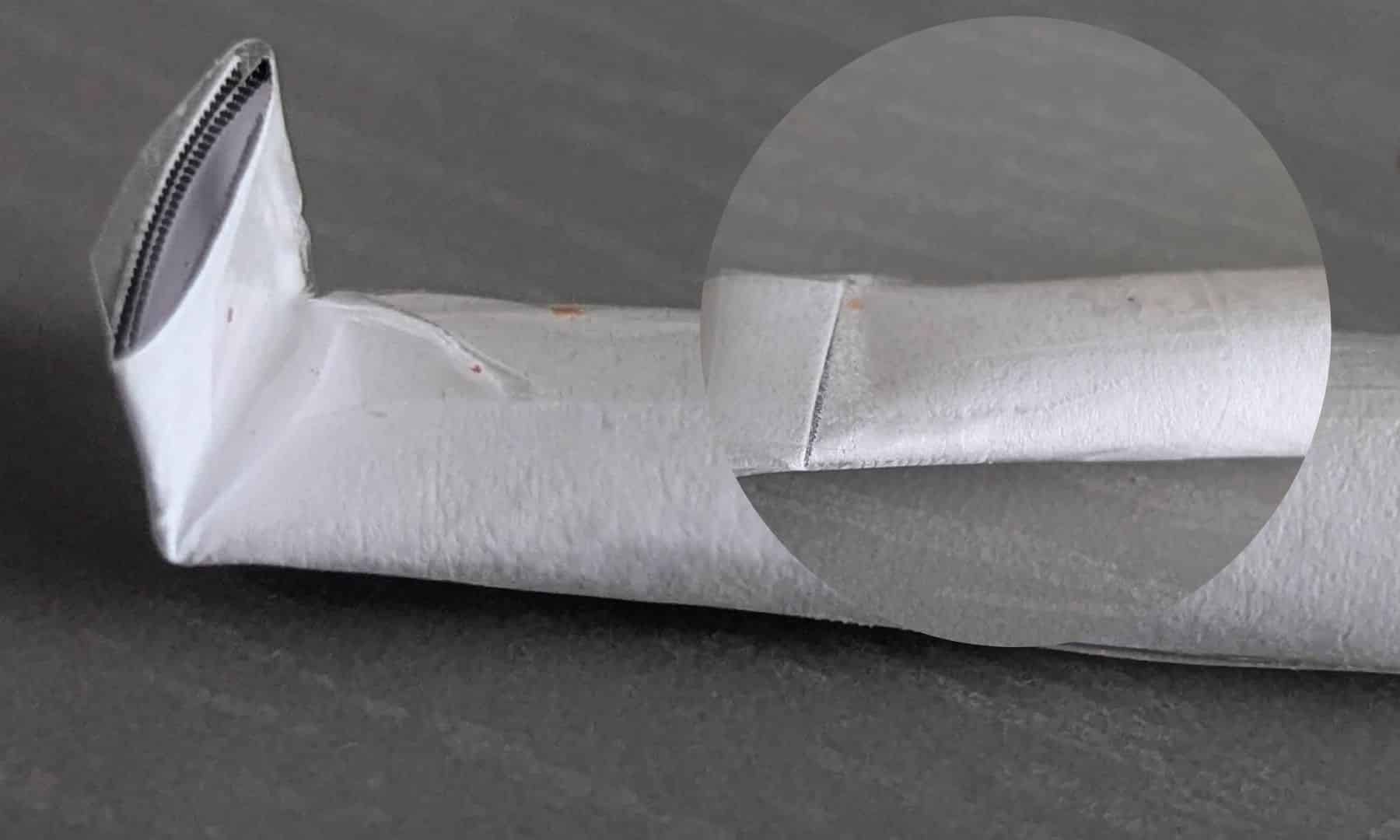
Seal one end. Slide the paper tube off the straw. Fold over one end of the tube and secure it with tape to seal it closed. See the photo for an example.
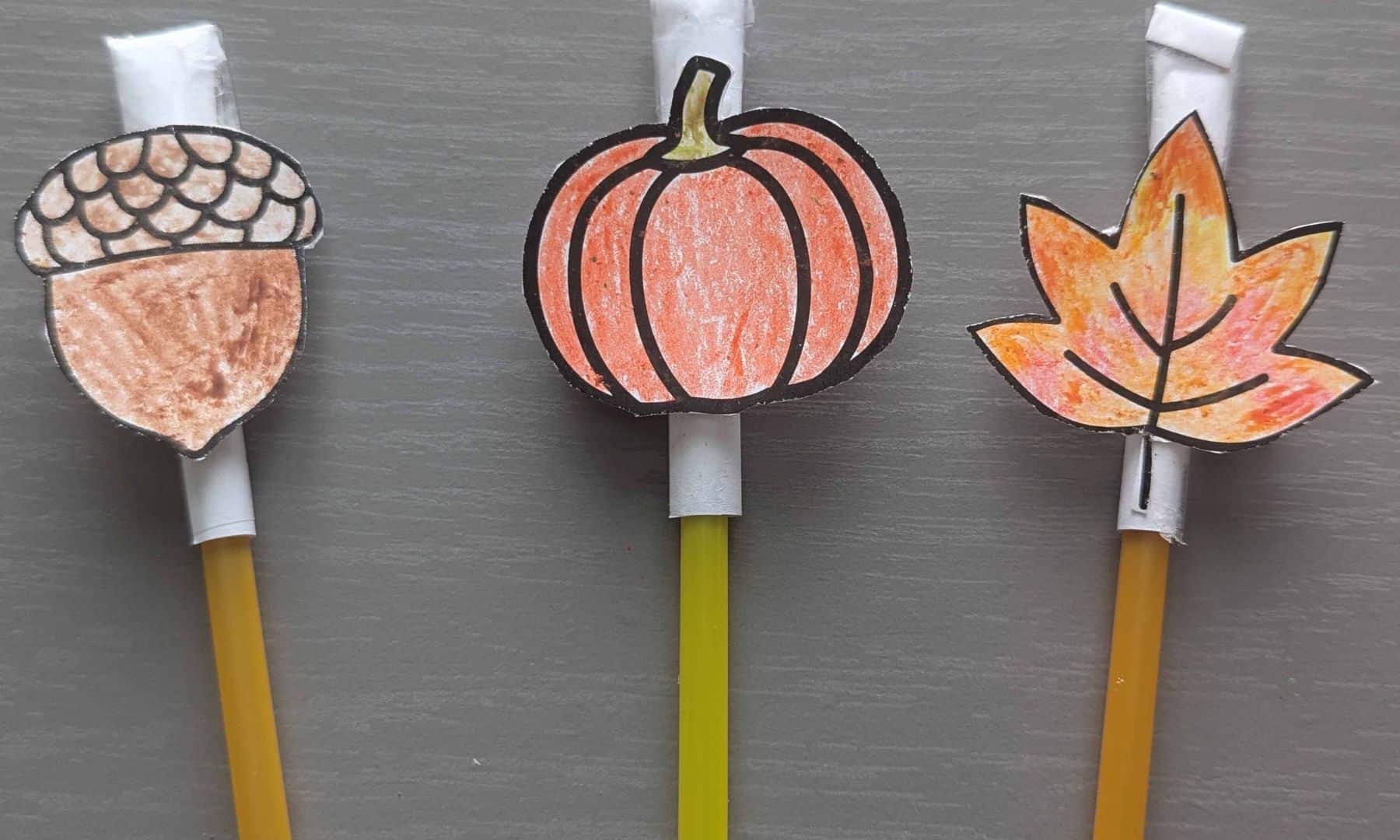
Attach your fall cut-out. Place a small amount of glue on the back of the fall cut-out and attach it to the paper tube, as shown in the photo. You can also use tape, but use only a small amount so you don’t add too much extra mass.
Launch! Slide the finished launcher back onto the straw. Aim it in a safe direction away from people and animals, then blow through the straw to launch your fall-themed “rocket”!
Turn it into a STEM challenge. Once you’ve tested your launcher, try changing some of the variables below. Make a prediction before each test, then observe, measure, and compare the results. You can test straw length, heavier or lighter paper, added mass, and launch angle. When testing one variable, try to keep the others as consistent as possible.
Looking for more Fall STEM Activities?
Here are more of our Fall and Thanksgiving STEM activities:
- Fall STEM Challenges
- Testing for Vitamin C with pumpkins (and other fruits)
Request the Fall STEM Launcher Printable
Use the form below to request the printable.

I hold a master’s degree in child development and early education and am working on a post-baccalaureate in biology. I spent 15 years working for a biotechnology company developing IT systems in DNA testing laboratories across the US. I taught K4 in a private school, homeschooled my children, and have taught on the mission field in southern Asia. For 4 years, I served on our state’s FIRST Lego League tournament Board and served as the Judging Director. I own thehomeschoolscientist and also write a regular science column for Homeschooling Today Magazine. You’ll also find my writings on the CTCMath blog. Through this site, I have authored over 50 math and science resources.