


Creative Animal Prosthetics Activity for Kids


This animal prosthetics activity for kids combines two things we love bringing together for students in our STEM activities: real-world science and hands-on engineering.
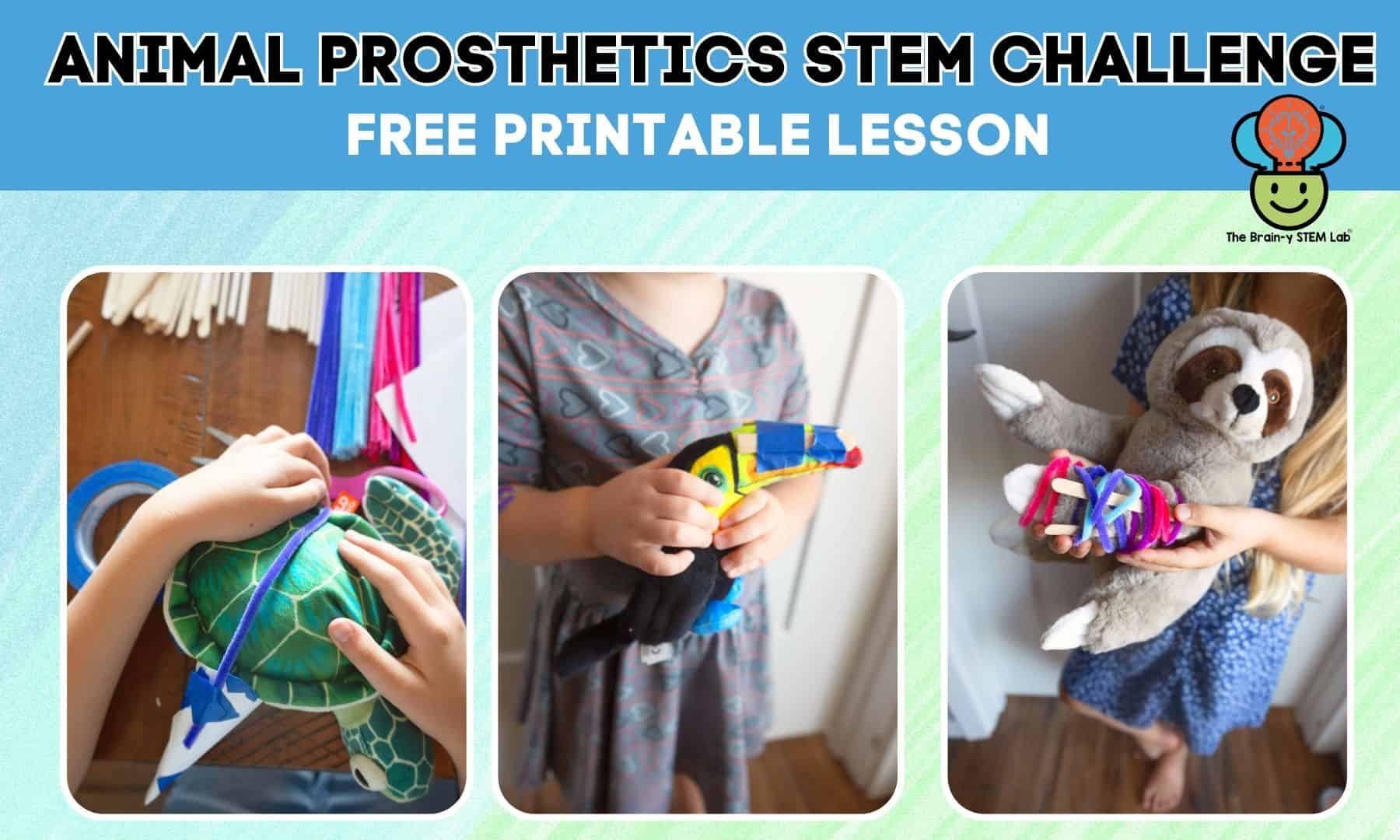
Our daughter had an early interest in animals (We raised crickets to feed a lizard, nursed ladybug larvae, and rescued mice who had a nest full of babies in our garage. Animal biology has just been a part of our household for a very long time. Today, she is pursuing a graduate degree in biology. So, you never know where those early interests will lead.
This animal prosthetic activity might just spark an interest in one of your children or students.
So, is an animal prosthetic something that might come up in real life? How common is it really? Well, check out the photo below, taken in our own backyard.
A few years ago, we had a female hummingbird who dominated the biggest feeder in our yard. One day, we noticed she had an injured beak. (The close-up photos of her showed the distinctive markings on her neck and chest area, so we knew it was her.)
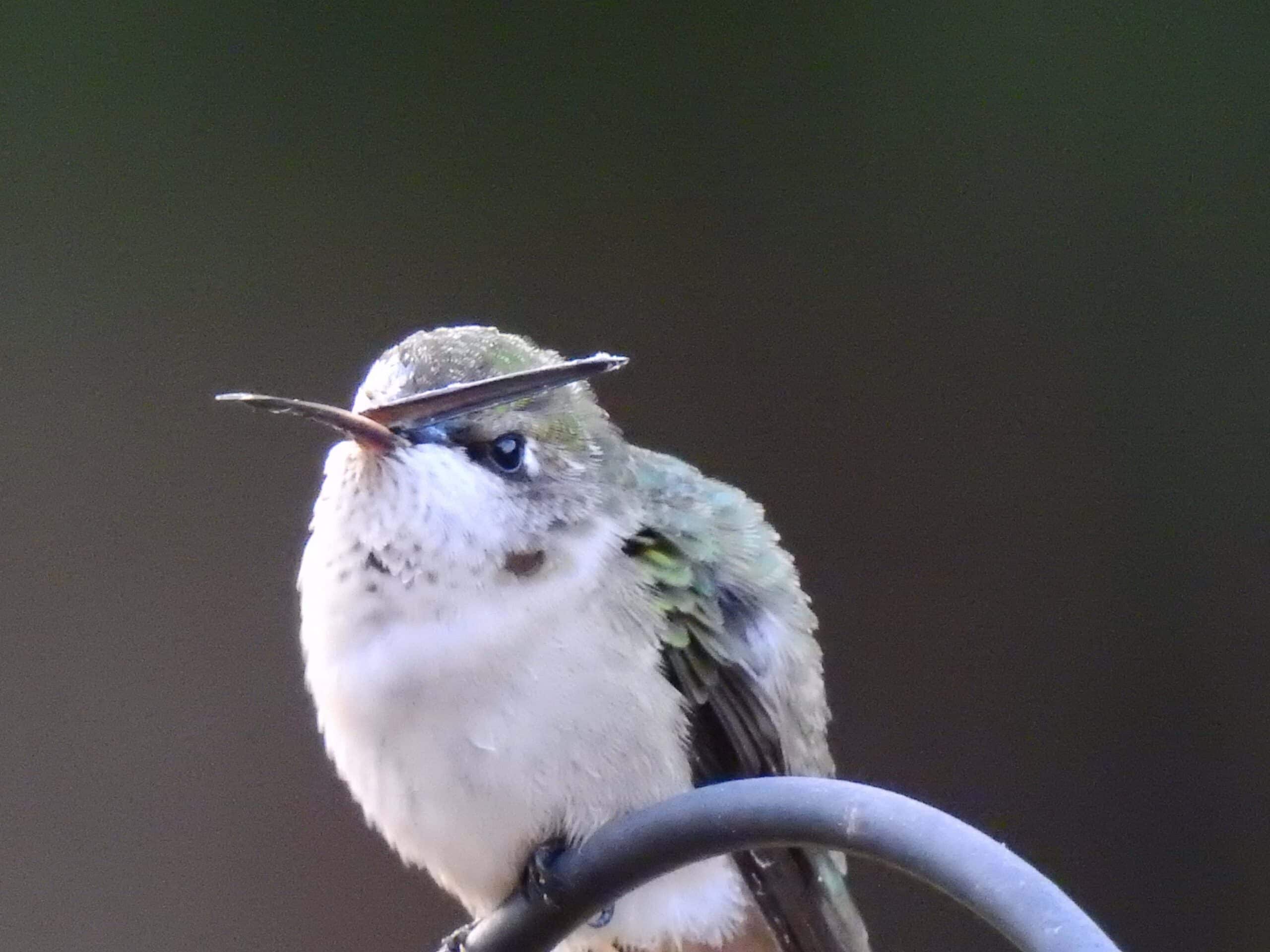
We suspected she got into a fight protecting her territory. There were some very hard-hitting midair collisions that year as she found other hummers trying to reach the feeder.
After the injury, she survived in and around our backyard for several months. Most of the hummingbirds left our area around October 15th that year. We assumed she had left as well but wondered how long she would survive the southward migration.
We have included this photo and example in the free printable pack you can request below.
After watching some videos about animal prosthetics recently, I wanted to develop this STEM activity. By the way, you can also pair this activity with our wildlife crossing activity and our post on how zoos keep animals safe during extreme heat.
Before Getting Started on the Animal Prosthetic Project
As you are planning to complete this activity with your children or students. Please plan AMPLE time for the background portion, discussion, designing, and building. Our kids need time to create. I cannot stress this enough!
If you’re working in a classroom, plan this out over several days or meeting sessions. If you are a homeschool parent, plan this on a day or time where you are not in a rush to get to a math or language arts lesson. Your children can work on this in the evening or on the weekends. Please make time for creativity, questions, and imagination.
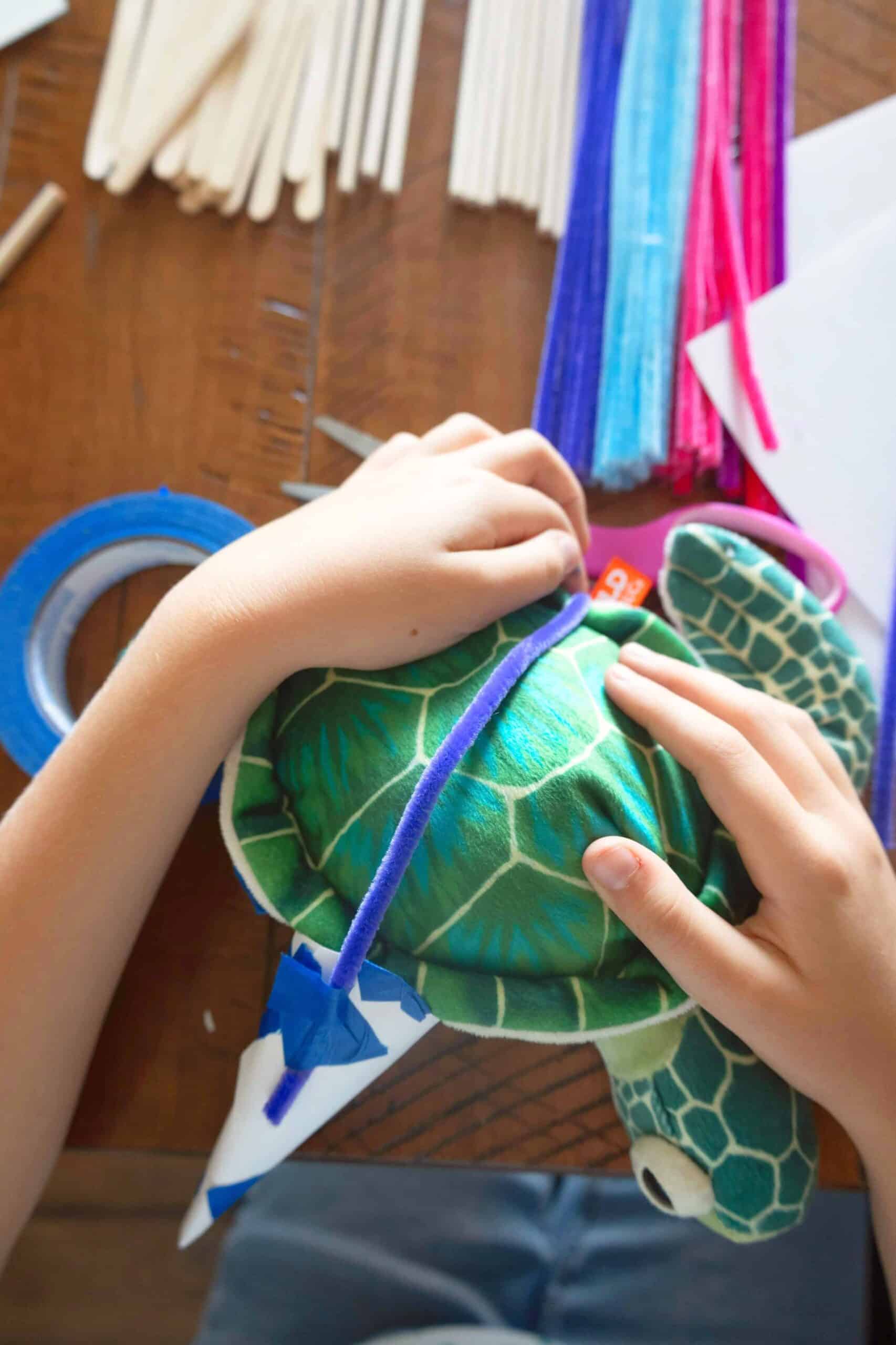
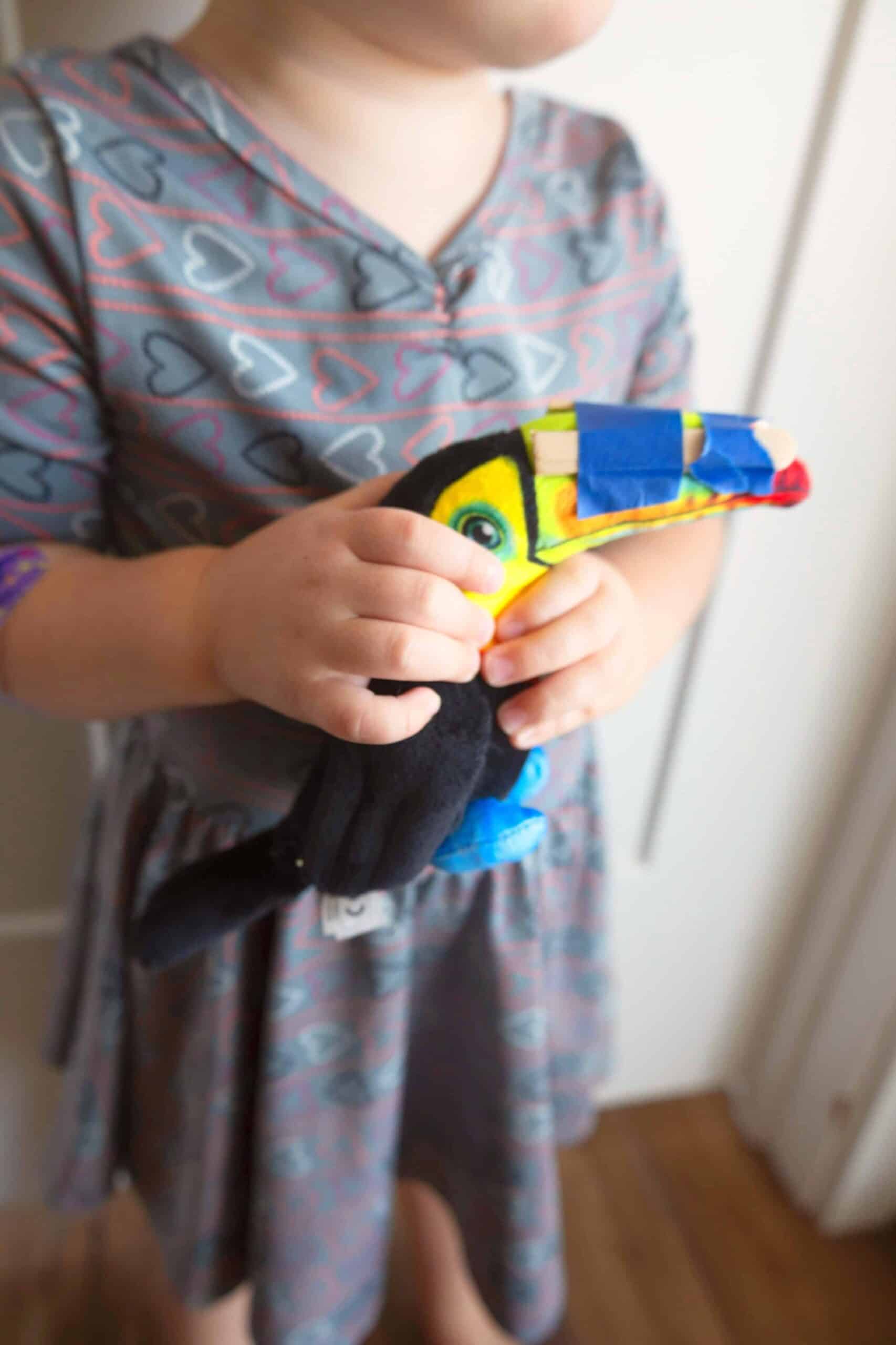
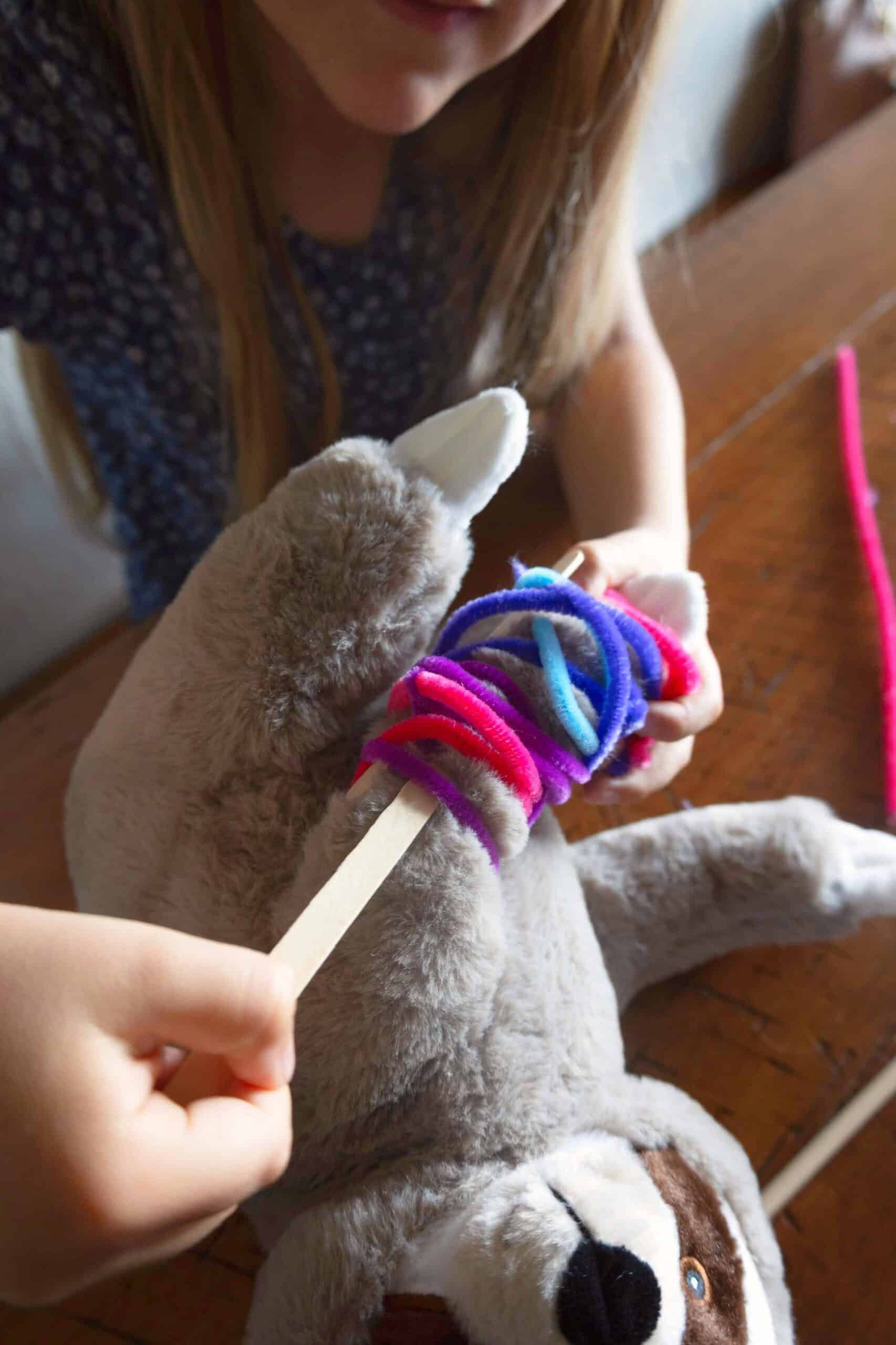
Gather the Stuffed Animals for this Activity
So, where to get the stuffed animals for this activity? Here are some ideas:
- Gather some from a thrift store
- Check out garage sales
- If in a classroom, have students bring one from home
I have done this in a homeschool setting and in a small STEM group setting where I was able to bring in stuffed animals from home and the thrift store.
Background Info for the Animal Prosthetics Activity for Kids
Through teaching STEM classes and camps, I’ve learned that students need a bit of background before getting started. Asking them to create a solution to a real-world problem without giving them a little context makes it much harder for them to get started and to have confidence in what they are proposing.
Below I have listed some articles, manufacturer websites, and videos to get you started and give your children some background information on what is going on in the real world in the area of animal prosthetics.
You may also want to show students the photo of the injured hummingbird we took in our backyard and discuss how they think she received this injury and how it was affecting her life. (Answers might include how she eats, how she protects herself, etc.)
Now, before reviewing these resources or videos with your students, ask them to do the following as they learn about animal prosthetics. Write down some of their responses so you can then go over them after learning more about animal prosthetics.
Questions to ask:
- Don’t just look at the prosthetic, but think about what the designers of these prosthetics had to think about. (They might answer something like, how the animal moves, how the animal hunts, what the animal hunts/eats, where the animal sleeps, etc.)
- (Show them the photo of the injured hummingbird that is in the packet.) What activities do you think were difficult for this hummingbird after the injury?
- What if a sea turtle has an injured flipper? What activities would become difficult for the animal?
- How about a dog with an injured leg?
Review these resources yourself, then share what you feel will work for your homeschool, classroom, or group activity.
Please note that I have used the no-cookie version of YouTube. This means that in the URL, I put a hyphen between the t and u in “tube”. This eliminates the ads.
Resources to Review Before Starting the Animal Prosthetics Activity for Kids
An animal prosthetics article from Interesting Engineering : https://interestingengineering.com/lists/13-animals-given-a-new-lease-in-life-with-prosthetics
Animal Prosthetic Companies
Custom Dog Prosthetics, Braces & Orthotics | Bionic Pets
YouTube Videos:
Derby the dog: Running on 3D Printed Prosthetics
Touching Moment Elephant Get Prosthetic Leg For The First Time – ElephantNews – YouTube
Amputee tortoise gets prosthetic wheels – YouTube
Animal Avengers: Vets Use 3D Printing To Save Animal Lives – YouTube Here is the story https://all3dp.com/animal-avengers-victoria-goose/
When 3D Printing Gives Animals A Second Chance
Hunter The Blind Tiger Gets a Check-Up For His Prosthetic Eyes | Crikey! It’s The Irwins
Discussion Questions Before Starting the Animal Prosthetics Activity for Kids
After reviewing the resources, review what they saw and learned. We have included some discussion questions in the free printable.
Download the Animal Prosthetics Activity Printable
Introducing the Animal Prosthetics Activity
Tell your students: “It’s time to play the role of an engineer on a team that helps design animal prosthetics. An injured animal needs your help. We have a box of animals (or you can use the stuffed animal you brought in.) You’ll pick one of these animals and then select a body part that has been injured.”
Have them fill out the Animal Prosthetic Case File sheet included in the free printable.
Introduce the available materials students can use to build their animal prosthetics. This may help them get started with their design on paper. When doing a STEM-building activity, I put materials out in a supply area, let them view what was available, and then returned to their seats to work on their design ideas. I also use rolling carts, especially for items that can tip over (like glue bottles!) or roll around the floor (like tape!).
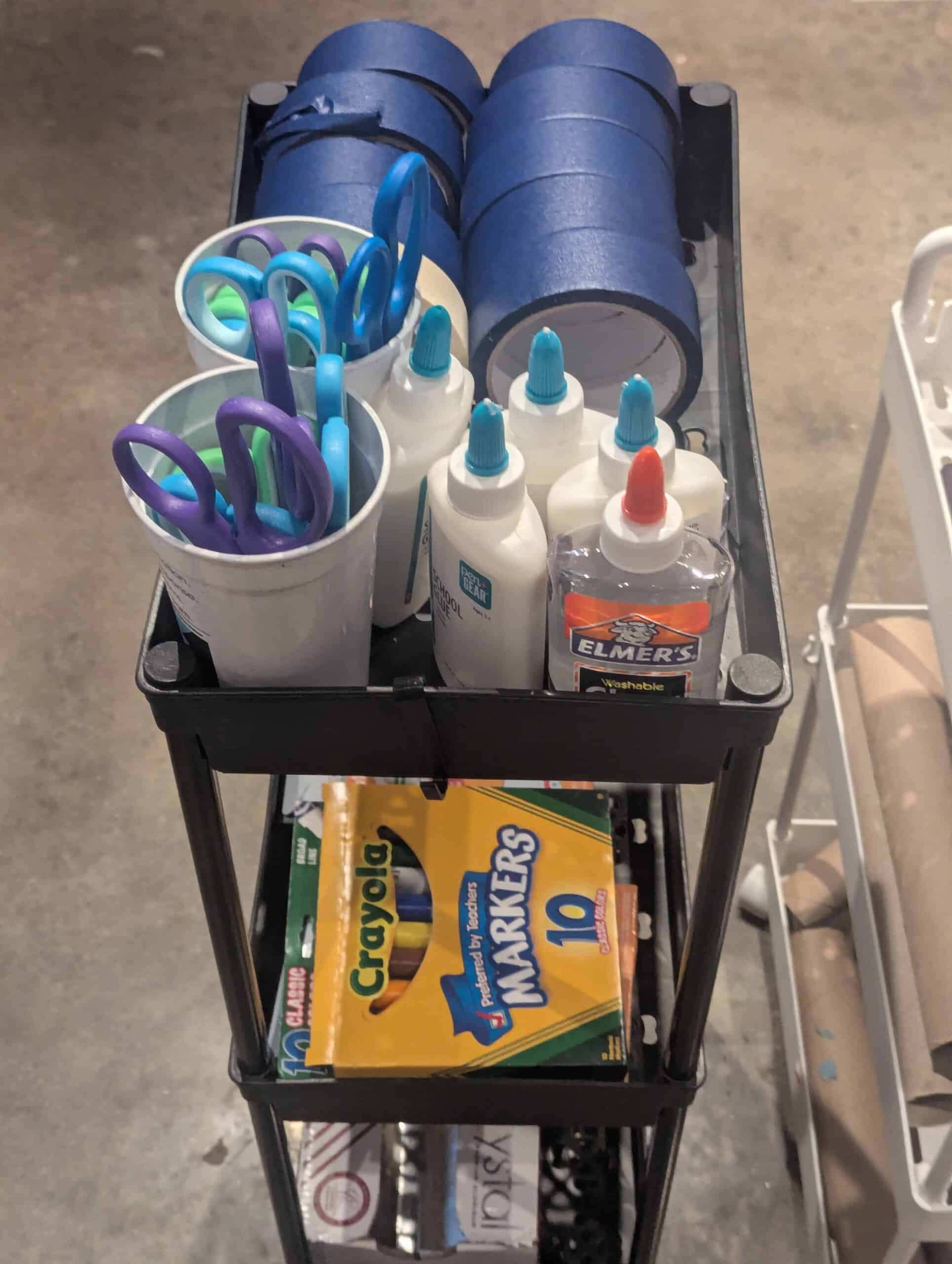
You’ll want to have several pages from the Animal Prosthetics Activity packet (see the request form below).
Then, tell the students:
- Draw out some ideas on the Animal Prosthetic Design Ideas sheet.
- Answer the questions on the Animal Prosthetics Activity: Design Discussion worksheet.
When they’re ready, have them select their materials and get started on their project!
Please allow them plenty of time to try their ideas, swap out materials, and adjust their creations.
If they say they are finished, have them draw a picture of their animal with the prosthetic using the worksheet.
Then, bring the class together and have each student:
- Introduce their animal
- Explain the injury
- How does this injury affect the animal (for example, the animal can’t eat properly, can’t swim properly, etc.)
- Show the prototype they drew on paper
- Explain the animal prosthetic they created for the animal.
- Ask “How does this prosthetic help the animal?”

I hold a master’s degree in child development and early education and am working on a post-baccalaureate in biology. I spent 15 years working for a biotechnology company developing IT systems in DNA testing laboratories across the US. I taught K4 in a private school, homeschooled my children, and have taught on the mission field in southern Asia. For 4 years, I served on our state’s FIRST Lego League tournament Board and served as the Judging Director. I own thehomeschoolscientist and also write a regular science column for Homeschooling Today Magazine. You’ll also find my writings on the CTCMath blog. Through this site, I have authored over 50 math and science resources.