


Extracting DNA from a Banana


Did you know you can extract real DNA from a banana using a few common household materials? In this hands-on banana DNA extraction experiment, students will break open banana cells and separate the DNA using dish soap, salt, and rubbing alcohol.
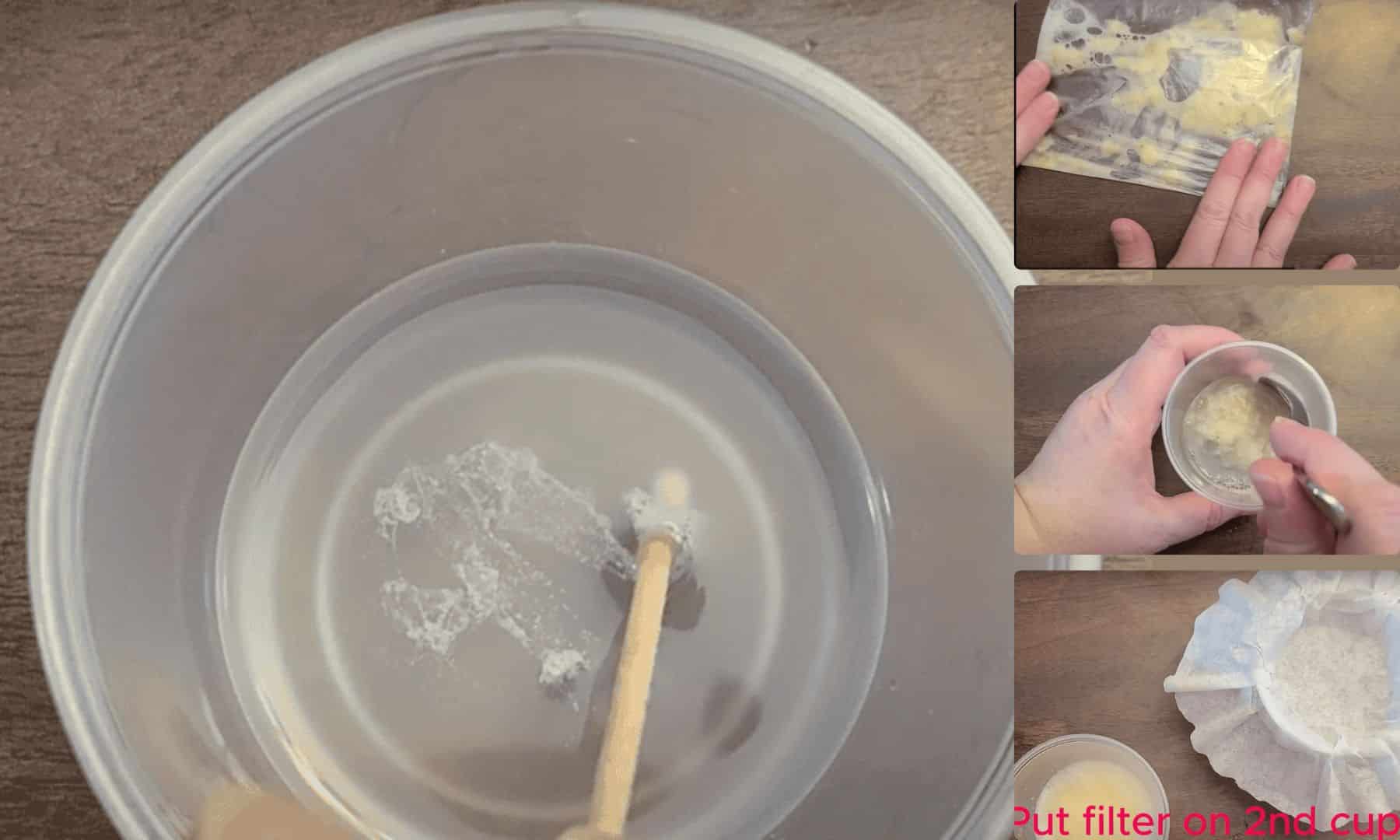
They’ll even be able to see the white, stringy DNA!
We’ve also included a free 30+ page DNA lesson and printable worksheets to help students explore genetics and understand the science behind extracting DNA from a banana. The DNA information was written by Lindsay Zetzsche, the owner of Science Geek Games and a genetic counselorpassionate about making knowledge of genetics and biology accessible to students ages 8 and up.
How to Extract DNA From a Banana
Extracting DNA from a Banana
Instructions
- Add a 1-inch section of banana to the plastic zip bag, seal it.

- Mash it up! You don’t want solid chunks. Then add 1 tablespoon of water and mash some more.

- It should be nice and liquid-y.

- In one of the cups, add 1 teaspoon of clear soap, ¼ teaspoon of salt, and 2 tablespoons of water. Stir gently until the salt has dissolved; try to avoid creating bubbles or foam.

- Add the banana mixture to the cup with the soap mixture and stir gently.

- Put a coffee filter over the 2nd cup so that there is at least 1” of space from the bottom of the cup. You can tape it or use a rubber band if you want it more secure.
- Pour the banana mixture onto the filter while holding the filter in place. Let the mixture drip into the cup; wait about 10 minutes.

- Discard the filter and the remaining banana mixture that did not filter into the cup.

- Get cold isopropyl alcohol and measure out 1 tablespoon. Slowly dribble the alcohol down the side of the cup with the filtered banana mixture. You can use a dropper or spoon to add the liquid slowly. Let this sit for 4 minutes.

- Observe the mixture. What do you see?

- Slowly stir the mixture with the wooden stirring stick. Ifyou notice some white strands attached, this is the DNA. You can swirl themlike a strand of spaghetti.

- You have extracted DNA!


Video
What is the Science Behind Extracting DNA from a Banana?
You just need a few household materials to extract DNA from a banana, which makes it a fun science activity at home or in the classroom. Each ingredient in this activity has a specific job, helping us release the DNA from the banana cells and make it visible.
What Does the Dish Soap Do?
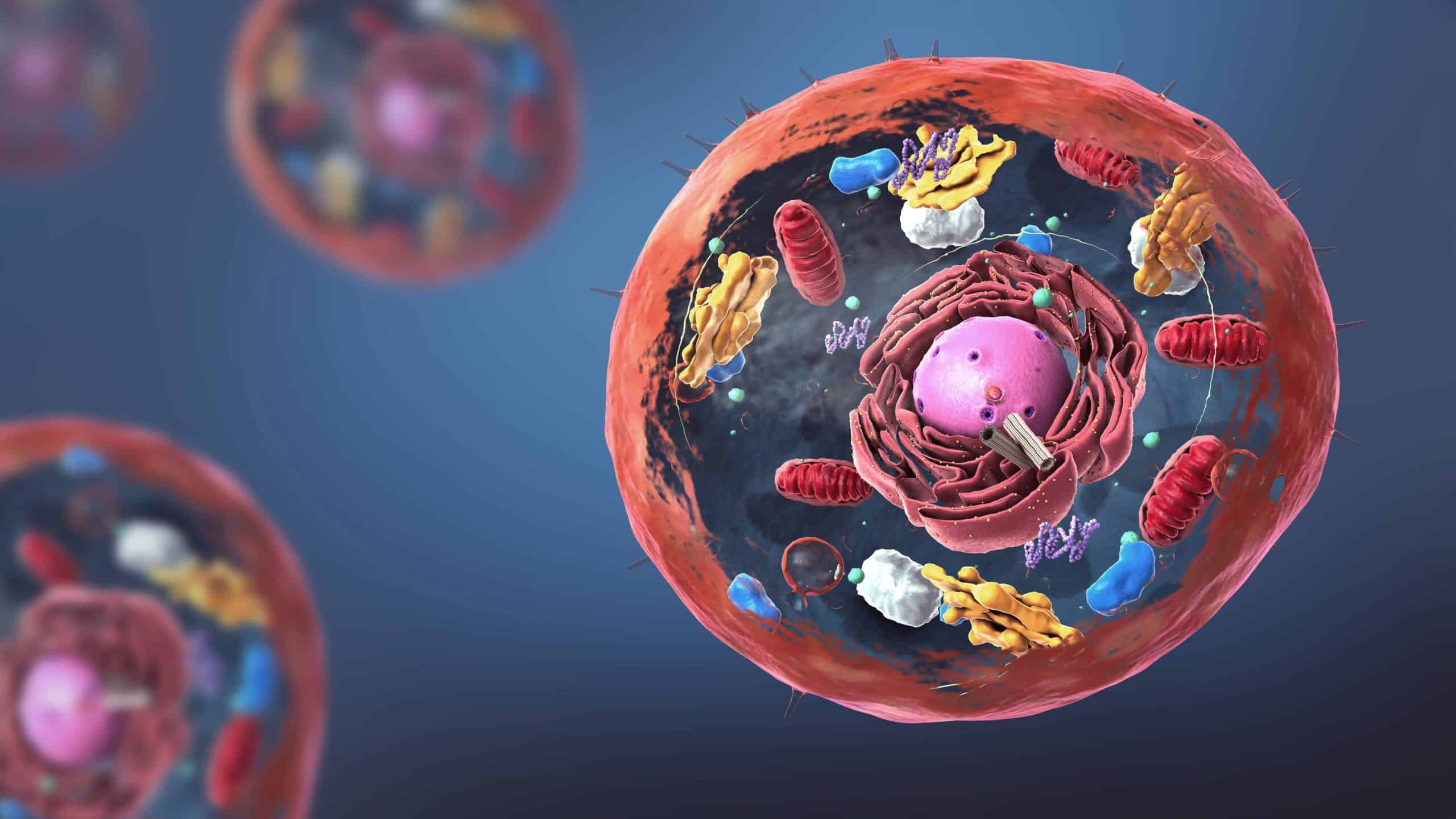
DNA is found inside the nucleus of cells. The nucleus is surrounded by a membrane, and the cell is also surrounded by its own membrane called the cell membrane. If you need a resource covering the parts of cells, we have this free cell biology resource.
The dish soap contains molecules called surfactants that break apart these membranes, which then releases the DNA into the solution.
Why Do We Add Salt?
Salt helps the DNA molecules come together when the alcohol is added. The positively charged sodium ions in the salt help neutralize some of the negative charges along the DNA molecules, making it easier for the DNA to clump together and separate from the solution.
Why Do We Add Cold Rubbing Alcohol?
DNA dissolves in water, but it does not dissolve in the cold rubbing alcohol
When cold rubbing alcohol is added to the banana mixture, the DNA separates from the liquid and begins to clump together, forming the white, stringy material you can see.
What is the White, Stringy Material?
The white, stringy material you see is the DNA that has separated from the solution, along with some other substances from the banana cells. You aren’t seeing individual DNA molecules. Instead, you’re seeing many DNA molecules collecting together, making them visible without using a microscope.
Genetics is a fascinating field of science. It is the study of genes, which are present in all living things, from humans to worms, to bananas, and even giant redwood trees. Genes are the instructions for living things, for how to grow and how to function. Each gene is an instruction code, like a recipe. Humans have over 20,000 genes, and while we know a lot about many genes, scientists are still figuring out what many of them do!
We inherit our genes from our parents and pass them on to our children. Genes code for traits like eye color, hair color, and height, and they also code for proteins like enzymes that help us use energy in our body. Genes are made of Deoxyribonucleic Acid (DNA), and it is amazing that the four DNA bases – adenine (A), cytosine (C), guanine (G), and thymine (T) – make up the genetic language that writes all of our genes. Even more amazing is that humans share 99.9% of the same DNA; that 0.1% difference between us is what makes us all so unique and interesting!
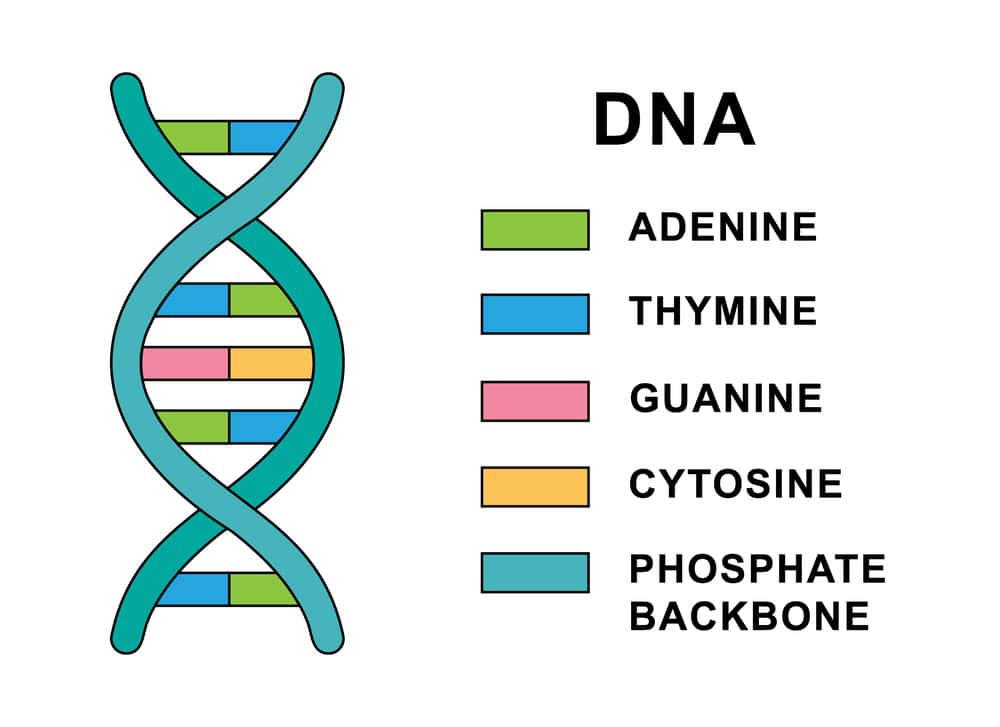
Understanding DNA, Genes, and Chromosomes
Genetics plays a role in tracing ancestry and can also be used to solve crimes – DNA samples can be obtained from even the most minute strands of hair (if the follicle is still intact) or saliva from a person’s cup.
Genes are very important in the practice of medicine as well. Many people have genetic conditions caused by a change in a gene that leads to specific health issues. Most genetic conditions are rare, but collectively, they are very common.
Knowing about genetic conditions is helpful because sometimes there are treatments. Even cancer treatments can sometimes be guided by knowing more about the genetic changes found in a cancer tumor. There are a lot of interesting careers focused on genetics, including genetic variant analyst, genetic researcher, forensic scientist, genetic counselor, and medical geneticist.
Genes are composed of DNA and are grouped together on structures called chromosomes. Humans usually have 23 pairs of chromosomes (46 chromosomes). The chromosomes are located in the nucleus of cells.
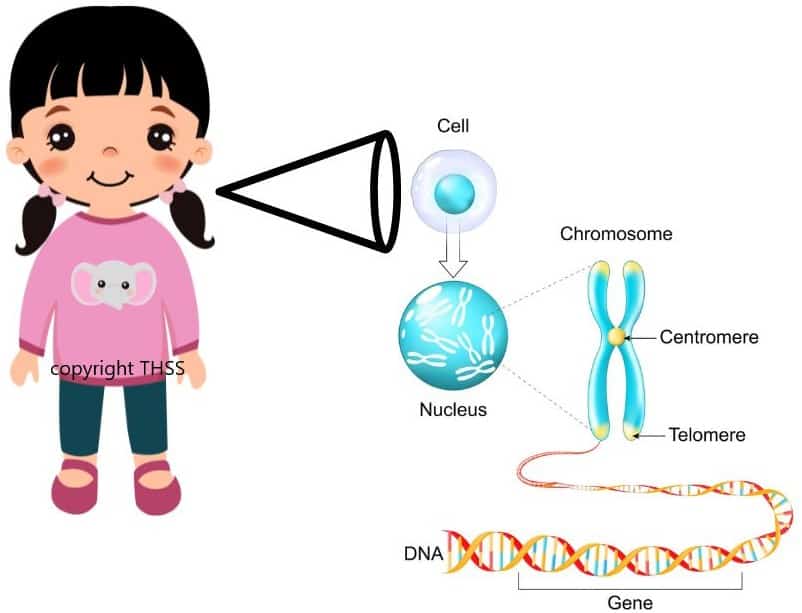
When scientists want to extract DNA from cells, they must follow several steps to break open the cells and release the chromosomes and DNA from the nucleus. They use a solution that helps the DNA come together and then precipitate out of the solution. A precipitate is when something in a liquid changes to a solid. Adding an alcohol like isopropyl alcohol can help DNA precipitate. Extracted DNA looks like a clump of white strands.
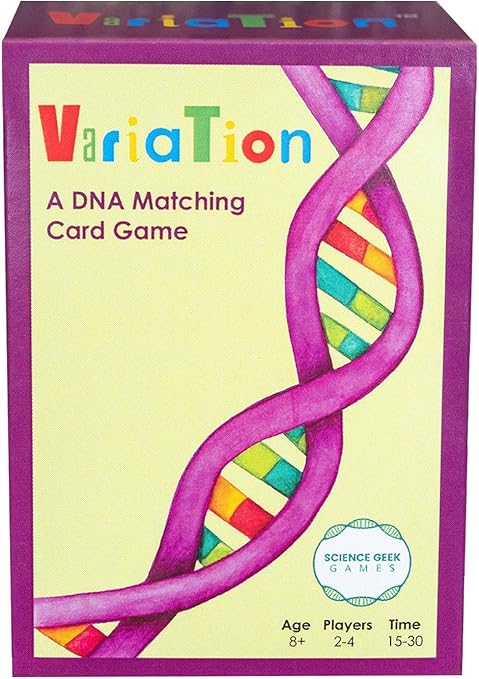
After you have finished extracting DNA from a banana, reinforce what you have learned with the DNA card game, Variation. (aff link) Learn more about the game in our review.
Extracting DNA from a Banana
DNA is in all living things, including plants and fruit! The genetics activity involves extracting DNA from a banana.
Don’t forget! There is a printable lesson with a lot more information on DNA, pages that accompany this activity, and other activity pages. See the request form near the end of this post.
Notes before starting:
- Request the free worksheet download before starting.
- Place the 91% rubbing alcohol in the freezer at least 2 hours before starting this activity.
- Use distilled water.
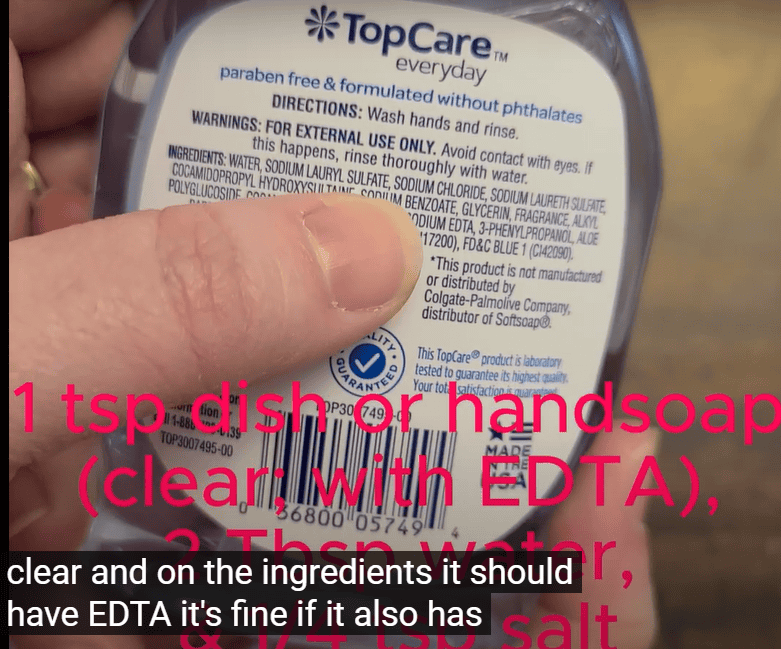
- Use clear liquid dish soap or hand soap. Check for EDTA on the label.
Extracting DNA from a Banana: Materials Needed
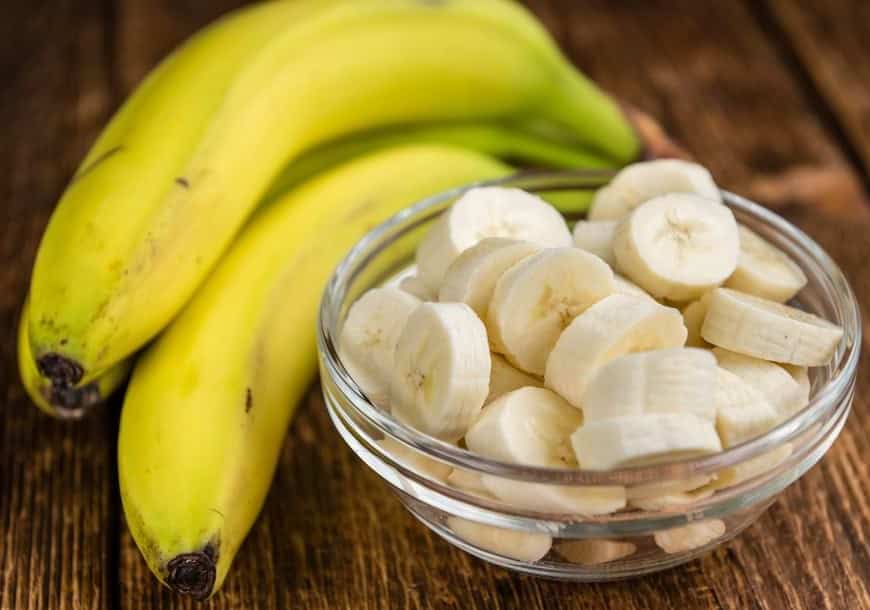
- A banana
- Distilled water
- Clear plastic zip bag
- Clear liquid dish soap, hand soap, or shampoo (should have EDTA in it)
- 2 clear cups
- Table salt
- Spoon for stirring
- Coffee filter
- Measuring spoons (tablespoon, teaspoon, and ¼ teaspoon)
- Isopropyl alcohol (91% or higher) – put in freezer for at least 2 hours in advance
- Wooden stirring stick or toothpick
Just like humans, plants like trees and fruit have DNA and genes to help them grow and have different traits. Some bananas have 11 pairs of chromosomes, so 22 chromosomes total. Most of the bananas we eat have 3 copies of each chromosome, meaning 3 copies of each gene and 33 total chromosomes.
More DNA Activities
Another activity to learn about DNA is to play the DNA matching card game (affiliate link) called Variation. This game offers multiple ways to play, allowing you to learn about DNA base matching and creating DNA sequences. It is designed for play with a friend or family member. It also has different genetic facts on several of the cards. Challenge: create your own variation on how to play!

Extracting DNA from a Banana – Worksheet Printable
Input your email address below and request the 30+ page lesson on DNA, with instructions and worksheets for the DNA extraction activity. You will be added to our email community and can unsubscribe at any time. Thank you!
Other DNA and Genetics Resources
Educational resources from the National Human Genome Research Institute
Science Geek Games DNA matching game

Lindsay Zetzsche is a proud science geek and licensed genetic counselor with formal business education and genetics experience in the clinical, laboratory, and insurance settings. Her most recent position was Director of Genetics Operations at a large national insurance company. Lindsay is the Owner & Founder of Science Geek Games, developing science-based games to ignite a spark of curiosity and joy of learning about the fascinating world of biological sciences through the power of play. She lives in Rochester, MN with her husband, 2 kids and a menagerie of pets. Lindsay enjoys spending time with family, reading, and speed puzzling in her free time.