


What Is a Frost Quake? Cryoseisms Explained


What Is a Frost Quake?
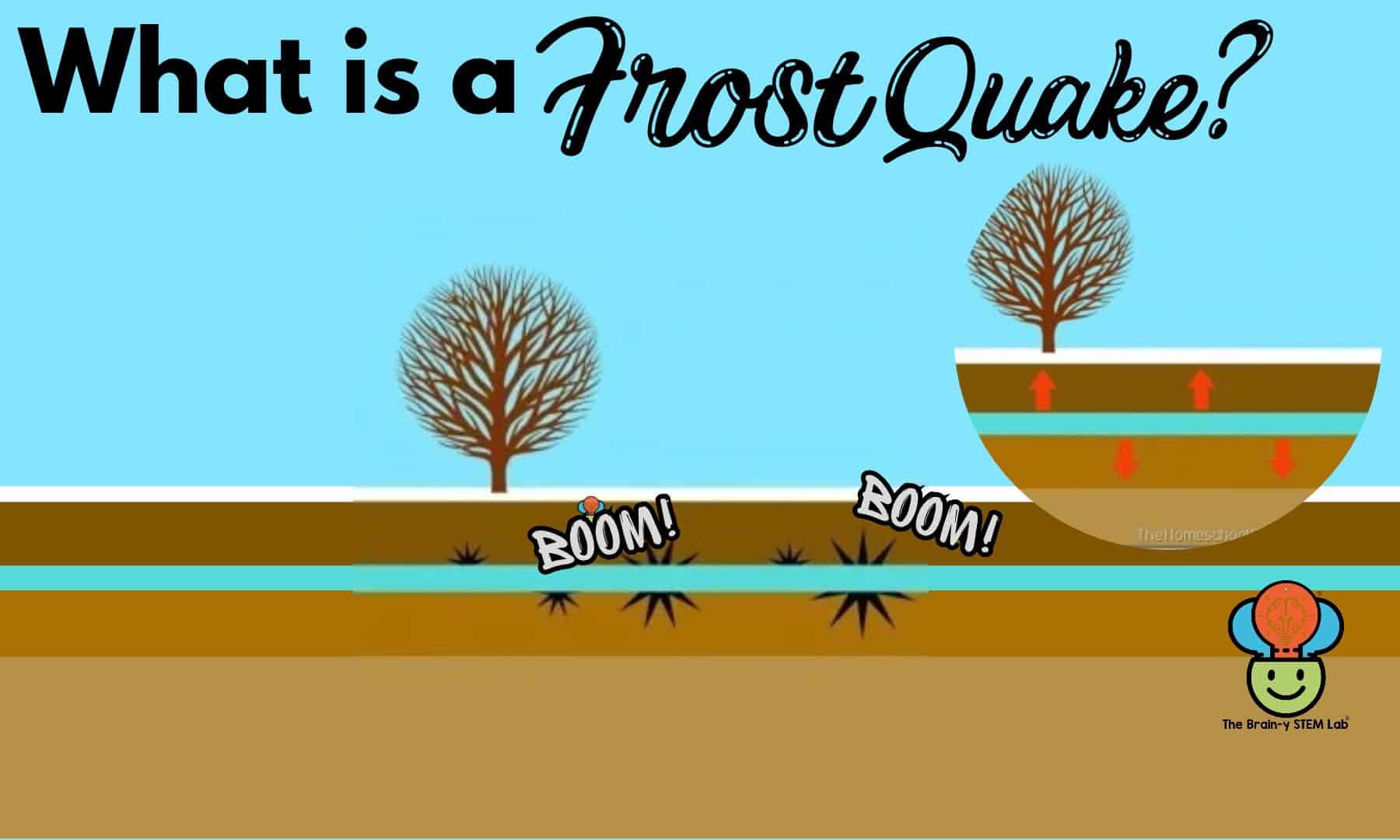
Frost quakes, or cryoseisms, are rare geological phenomena that occur when the ground or rock is saturated with water and there is an extreme drop in temperature, usually from above freezing to below zero° F.
Little or no snow cover can make conditions more favorable for a frost quake because a layer of snow helps insulate the ground from sudden temperature changes.
The extreme temperature drop causes the water in the saturated ground to freeze. This frozen water expands and causes stress on the soil and rock around it. Sometimes, this stress cracks the soil and rock with such force that it creates a loud sound and could even cause the ground to shake. In rare cases, frost quakes can cause the ground to crack. People report that the frost quakes make a sound like an explosion or like something is hitting their house.
Learn more about the Snowflake Science lesson and printable.
How Does a Frost Quake Form?
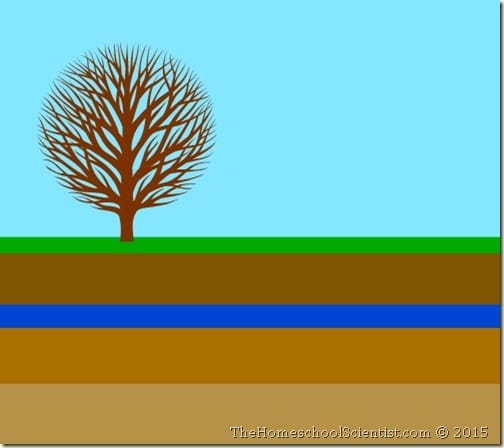
Step 1: The ground becomes saturated with water. Rain, melting snow, or other moisture soaks into the soil and into cracks in rocks beneath the surface.
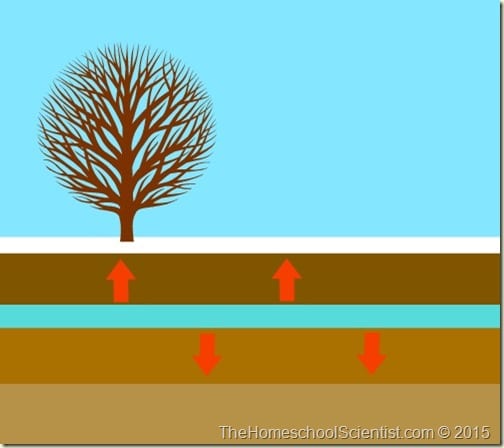
Step 2: Temperatures drop rapidly, causing water in the soil and cracks in the rocks to freeze. As the water freezes, it expands, putting pressure on the surrounding soil and rock.
Step 3: Sometimes, this stress cracks the soil and rock with such force that it creates a loud sound and could even cause the ground to shake. In rare cases, frost quakes can cause the ground to crack.
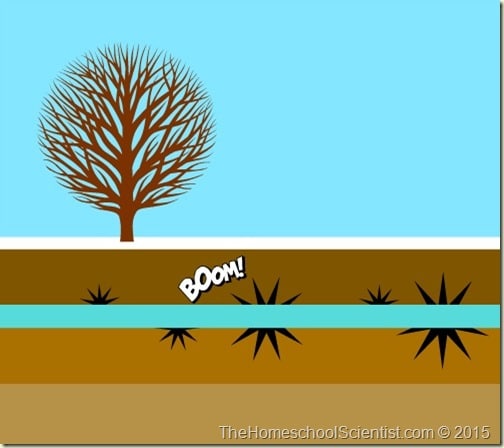
People report that the frost quakes make a sound like an explosion or like something is hitting their house.
How Do Frost Quakes Sound?
The first time I experienced a frost quake, I had no idea what I was hearing. After a period of wet weather, temperatures dropped rapidly, and we began hearing loud booms that sounded almost like explosions or like something hitting the house.
That’s one of the surprising things about frost quakes. Even though the cracking occurs underground, the sound can be startlingly loud.
A frost quake can make a surprisingly loud boom, bang, or cracking sound. Because frost quakes occur close to the surface, the noise can sound like an explosion, a tree falling, or something hitting the side of a house. The cracking can also release enough energy to cause a brief vibration or shaking of the ground.
Frost quakes are very localized. The vibrations lose energy quickly as they travel through the ground, so someone close to the frost quake may hear a loud boom and feel the ground shake, while people only a few hundred yards away may notice nothing at all.
The Difference Between Frost Quakes and Earthquakes
A frost quake may sound and even feel like an earthquake, but the two events happen for very different reasons. Here’s a quick look at how frost quakes and earthquakes compare.
| Characteristic | Frost Quake (Cryoseism) | Earthquake |
|---|---|---|
| Cause | Water in saturated soil or rock freezes, expands, and creates enough pressure to crack the surrounding material. | Rock suddenly moves along a fault, releasing energy. |
| Location | Occurs very close to Earth’s surface. | Originates below Earth’s surface along a fault. |
| Weather | Associated with sudden, extremely cold weather. | Not caused by weather. |
| Area Affected | Usually affects a small, localized area. | Seismic waves can travel much farther. |
| Energy | Releases relatively little energy. | Can release much greater amounts of energy. |
| What You Notice | May produce a loud boom or cracking sound and brief ground shaking. | May cause ground shaking that can be felt over a much larger area. |
The U.S. Geological Survey has some excellent information on “booms” we hear and on earth quakes.
Frost Quake Science for Kids
A frost quake is a great example of how something students already know, water expands when it freezes, can create a much larger geological event.
After learning about frost quakes, ask students to think about the conditions that have to come together for one to occur:
- Why does the ground need to contain water?
- What happens to water when it freezes?
- Why does a rapid temperature drop matter?
- How might a layer of snow change how quickly the ground freezes?
- Why can a frost quake sound and feel like an earthquake even though the two have different causes?
Students can also check the weather from the previous several days. Was there rain or melting snow? Were temperatures above freezing before suddenly dropping? Is there snow covering the ground? Use what they have learned to decide whether conditions might be favorable for a frost quake.
Water freezing is an important part of how a frost quake forms. But did you know that water doesn’t always freeze at the same temperature? Explore how adding salt changes the freezing point of water with our hands-on lesson entitled The Effects of Salt on the Freezing Point of Water.
Frost Quake FAQs
Do frost quakes cause damage?
Even though frost quakes may cause the ground to shake, there is not enough power in frost quakes to do any major damage to structures. There have been rare cases of small cracks in the ground, driveways, foundations, or roads thought to be caused by frost quakes.
What is the difference between frost quakes and earthquakes?
Frost quakes are very shallow seismic events, unlike earthquakes that are caused by the moving of tectonic plates deep within the earth’s crust.
Where do frost quakes occur?
Frost quakes can happen anywhere the temperatures can change from above freezing to below zero° F rapidly. They are more frequent in Canada and the U.S. along the Great Lakes area. Because of the extremely cold weather over the past several winters, many frost quakes have been reported in Illinois and Missouri.
Are you really able to see a frost quake?
You usually hear or feel a frost quake rather than see it. In some cases, the cracking can leave visible cracks in the ground, but these may be hidden beneath snow or difficult to notice. A loud boom or brief ground shaking is often the first sign that one has occurred.
More Fun Science Activities for Your Children or Classroom
Check out our FREE monthly Science Activity Calendar (no email required)
Many of our FREE science lessons with printable activity pages
Free math worksheets and games
More Weather Resources
Snowflake Science – help your children understand how snow forms with our free lesson printable with over 60 pages of information and activities.
Grow “Frost” on a Window Crystal Activity
Using Clouds To Predict The Weather
